Month: May 2025

Welcome to Sun Blocked, Refinery29’s global call to action to wake up to the serious dangers of tanning. No lectures or shaming, we promise. Instead, our goal is to arm you with the facts you need to protect your skin to the best of your ability, because there’s no such thing as safe sun. 

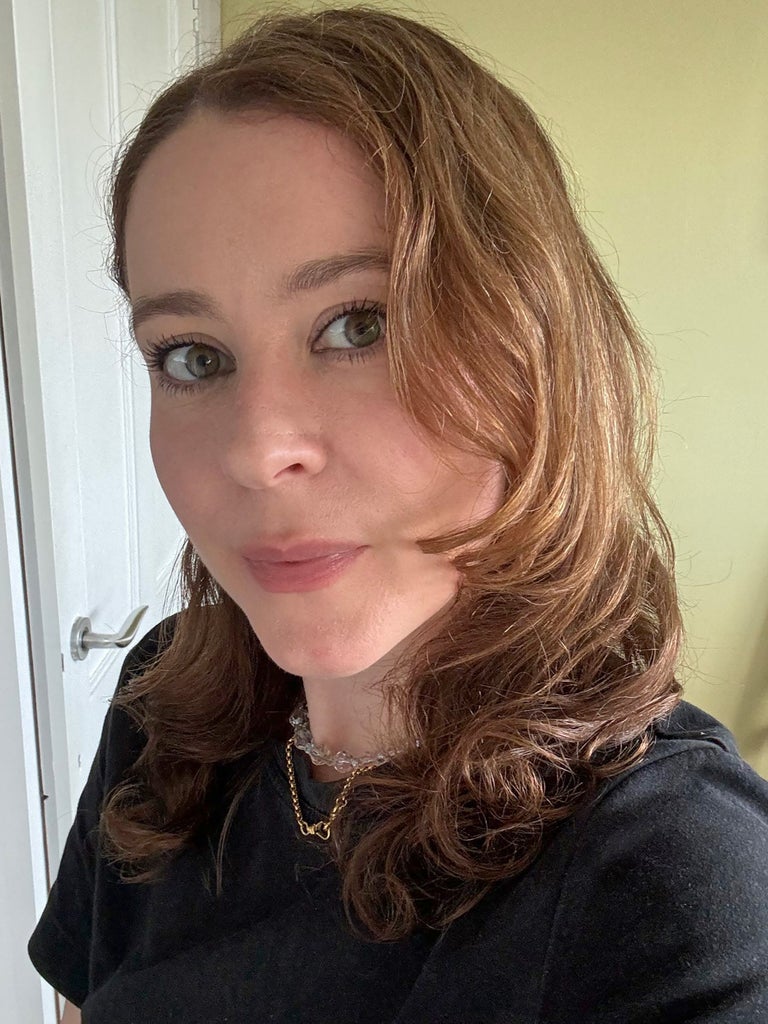
Holly, 28, grew up as a self-proclaimed “sun baby” — the kind that could lie in the heat for hours, emerging glowy and unfazed. True to form, she recently escaped to Spain in search of sun, sand, and cocktails. But on arrival, there were no warm rays — just grey skies and rain on the forecast.

Cue the disappointment: who wants to fly miles just to bring bleak, wet weather with them? “At first I was gutted. I wanted to relax and read my book in the sun. But a small part of me was relieved,” Holly admits. “I imagined the intense [UV] rays I would be exposed to and the kind of damage that would do to my skin. Lately, I carry a lot of guilt and anxiety, worrying about whether my SPF is enough,” she reveals.

Holly isn’t alone in feeling increasingly anxious about sun exposure. As summer approaches, many young people are growing intensely reliant on sunscreen: “I caught myself unzipping my handbag three times before walking to the train station last weekend because I kept feeling like I had forgotten my sunblock,” Fiona, 25, tells me. She has even brought it up with her therapist. Diagnosed with OCD, Fiona says that her fixation often flares up around health-related concerns; in hot weather, it’s usually about staying hydrated and always carrying her spray-on sunscreen.

So is it common to be this concerned? And how important is wearing sunscreen really?

First things first, it’s helpful to understand how the sun affects your skin, starting with UVA rays. Consultant dermatologist Dr. Derrick Phillips says these can penetrate deep into the skin, breaking down collagen and elastin, and accelerating aging. Besides premature aging, UVA rays are also linked to skin cancers such as melanoma. Then there are UVB rays, which are the main cause of sunburn and can also contribute to skin cancer. With this in mind, Dr. Phillips is clear on the importance of sun protection: “I treat skin cancer and see firsthand the devastation it can cause, so my messaging is very clear — I always tell patients to wear high-factor sunscreen.”

Why are we so obsessed with wearing sunscreen?

Dr. Phillips agrees that public awareness around SPF has grown significantly in recent years, particularly in colder climates, where many people once mistakenly believed that overcast skies offered protection and that sun exposure was only a concern when travelling abroad. But he is quick to add that the growing paranoia around wearing sunscreen can be counterproductive: “We’re living in a world where people are more and more anxious, and while awareness is good, for some people receiving the same message repeatedly on social media can be overwhelming.”

Sure enough, a quick TikTok search for “sunscreen” serves up countless videos — from skincare enthusiasts to dermatologists — extolling the virtues of daily SPF use, but in the same breath, shaming those who skip it. On Instagram, it’s not uncommon for beauty enthusiasts and even experts to share photos of extreme cases of sunburn and deep wrinkles in a bid to scare viewers into using SPF religiously. Here lies the catch-22: sunscreen is beneficial for your skin and overall health, but the way the message is being delivered is starting to take a toll on people’s mental wellbeing.

Head to Reddit, and you’ll find multiple subreddits where users confess to a growing “obsession” with sunscreen. One person, who reapplies every two hours, rain or shine, shared that after a day at the beach, she was stressed for a week, convinced she was “doomed to premature aging.” Interestingly, the common fear underscoring these conversations isn’t skin cancer; this is often an afterthought. The real concern is that sun exposure beckons fine lines, wrinkles, skin laxity, and pigmentation. It’s a worry that many in the digital generation are battling with well before they hit their 40s.

Dr. Zainab Laftah, a consultant dermatologist at HCA Healthcare, has seen this firsthand and reports an uptick in younger patients asking about sunscreen: “I have several Gen Z patients who are particularly anxious about skipping sunscreen due to a strong fear of aging,” she tells me. “One even admitted to wearing SPF while asleep, worried about potential UV exposure when she wakes up.”

Is wearing sunscreen about skin health, or a fear-mongering tactic to prevent aging?

Somewhere along the way, wearing sunscreen went from a gentle PSA to a full-blown fear-mongering tactic. Although seemingly well-intentioned, this messaging not only relies on fear as a motivator but it also reinforces society’s desire to resist all signs of aging. According to intelligence firm Circana, 70% of Gen Z is already using anti-aging serums daily. While popular culture has always been youth-obsessed, it’s clear that in today’s aesthetics-driven virtual world, our grapple with age has become more complicated than ever.

To many, sunscreen boasts the alluring promise of holding back time: “It’s been instilled in me by TikTok’s skincare obsessives that wearing sunscreen every single day is non-negotiable,” Sophie*, 32, tells me. “I went away with a friend recently and felt a genuine wave of panic when I realized I’d forgotten to pack my SPF,” she continued. “I even considered asking her to turn the car around, despite it not being sunny and knowing we wouldn’t be spending much time outdoors.” Sophie says that we’re constantly fed a narrative that aging is something to fight, delay, and fix: “I’ve never been drawn to injectables, but I tell myself that if I just take care of my skin, I’ll reap the benefits later on,” says Sophie. “But that kind of pressure, even when it comes from a place of self-care, can be exhausting.”

This rhetoric is constantly echoed back to us: on one hand, prepubescent children are buying under-eye creams; on the other, AI filters give us a glimpse of how we might look with wrinkles, deepening our collective discomfort with aging. Young people are submitting to sleeping with face masks, mouth tapes, and chin straps to freeze their skin in time, while the booming popularity of “baby” Botox, fox eye lifts, and red light therapy reinforces the message that looking youthful is sacrosanct — and easily achieved if you spend enough money.

Here’s the thing: it’s normal to be nervous about your face and body changing, especially in an era where women are publicly torn down for getting older. It’s hard to fault people for caring about aging when the system feels so rigged against us. It’s no wonder, then, that whether you have a 13-step skincare routine or reject the “beauty girlie” label altogether, SPF has become the bare minimum tool to resist looking older.

Is global warming fuelling our SPF paranoia?

Concerningly, sunscreen paranoia is starting to take over — and disrupt — everyday lives. Fiona decided to skip an upcoming group vacation to Italy because she worried that her UK-friendly sunscreen may not be good enough for the high temperatures. Similarly, on the rare morning when Holly forgets to apply sun protection before going for a run, she says that her exercise feels unproductive and even “dangerous.” Likewise, Sophie says that leaving the house without wearing sunscreen on her face feels “irresponsible.”

People take sunscreen very seriously. In 2024, consumer watchdog Which? claimed that popular Bondi Sands SPF50+ Face Sunscreen Lotion had “failed” its UV protection tests, sparking uproar on social media. Users were outraged at the idea that the product might not live up to its promises and could leave them unprotected. Reassuringly, in the US, SPF products are regulated as over-the-counter drugs by the U.S. Food and Drug Administration (FDA), and while Bondi Sands told Refinery29 it works with compliance experts Delphic HSE, fears around sunscreens not delivering on their promises continue to grow.

This is especially true as the Earth warms up. In 2025, we witnessed the hottest January on record. Sanjana, 29, says climate anxiety contributes to her sunscreen usage: “It sounds shallow, but I wish I could calculate how much faster I am aging being born in an era where global warming is worse,” she says. Sanjana adds that she applies two fingers’ worth of sunscreen every four hours from April to July when UV levels are higher, and has a reminder set on her phone to ensure she never forgets.

But is being diligent with SPF application worth living in panic? Psychotherapist and author Eloise Skinner reminds us that an over-reliance on anything can have a negative impact: “It can reach a point where the anxiety outweighs any benefits from an otherwise positive product like sunscreen,” she tells me. “This might be the case where the feared element (sun exposure, for example) is invisible,” Skinner adds. “The lack of immediate physical evidence can push us to spiral or worry more.”

How should we be wearing sunscreen?

This in no way implies that we should stop using sunscreen; rather, it’s a call to find a healthy middle ground, bringing the sunscreen conversation back from the edge and onto more sensible footing. Dr. Phillips tries to mitigate any concerns and anxiety about sunscreen by laying out a clear plan for each of his patients. While the instructions require more nuance based on your skin type and lifestyle, he shares some general rules of thumb.

“In the summer months, particularly on a sunny day between 11 a.m. and 3 p.m. when the UV index is at its highest, you should try to stay in the shade and use SPF,” says Dr. Phillips. “An average adult should be using 30 millilitres of sunscreen with each head-to-toe application,” he stresses, which is almost one-third of a 100 millilitre bottle.

“If you go to the beach, you should reapply sun protection every two hours,” adds Dr. Phillips, and if you’re entering the water, it may get washed off, so you need to apply it again once you’re out.” The rules are the same regardless of your skin tone, says Dr. Phillips. But what about when it isn’t as sunny? Suppose you’re heading to work at 8 a.m. when it’s relatively dark outside, and coming home in the evening well after the sun has set. Is sunscreen necessary then? “When the UV index is low in early mornings, you don’t need to use [sunscreen] as much,” Dr. Phillips explains, especially if you’re wearing more clothes. Dr. Phillips recommends focusing on exposed areas, applying a teaspoon-sized amount of SPF to your face and neck.

The colder months also see less UVB radiation — the rays that primarily cause burns — but UVA is still present and can pass through clouds and windows. In this instance, Dr. Phillips says you don’t need to reapply your sunscreen every two hours as you do in the summer months, but if you’re spending a good while outdoors, he suggests carrying a sunscreen mist and topping up when you can.

Even as a sunscreen enthusiast, Dr. Phillips insists it’s important to uncouple the unhealthy fixation on looking younger from the purpose of sun protection: “We need to reframe the feeling of disgust that comes with aging,” he tells me. “The pendulum has swung too far on one side, where people are scared of wrinkles and fine lines, but these are natural consequences of living,” Dr. Phillips says. The reality is that aging is inevitable, whether you wear sunscreen or not.

For me, every fine line or wrinkle-in-the-making is a little reminder of the many hours spent laughing with my friends or making funny faces at my nephew — some of my favorite moments from the last two decades. Ultimately, we shouldn’t feel gripped by the fear that our sunscreen isn’t doing enough, nor should we dread spending time outdoors because of it. Unless you’re planning to sunbathe for hours in direct sunlight, which isn’t advisable, it’s more important to be practical than perfectionist. Keep some SPF in your bag if it’s sunny or you’ll be outside for a while, and if you forget, don’t panic. There are other simple ways to protect yourself: sit in the shade, put on a hat or a pair of sunglasses. There’s no need to rush home.

This story was originally published on Refinery29 UK.

Like what you see? How about some more R29 goodness, right here?

You'll Actually Want To Use The Ordinary's New SPF
The Lessons I Learned When I Had My Moles "Mapped"

Does Tatcha’s $64 Sunscreen Live Up To The Hype?

Welcome to Sun Blocked, Refinery29’s global call to action to wake up to the serious dangers of tanning. No lectures or shaming, we promise. Instead, our goal is to arm you with the facts you need to protect your skin to the best of your ability, because there’s no such thing as safe sun. 

When I asked my colleagues if they’d be up for a skin scan to check their sun damage, all I got was tumbleweed. I didn’t blame them. No one wants to hear that the days they spent happily and carelessly soaking up the sun could eventually show up on their skin. While I like to think that what you don’t know can’t hurt you, having countless dermatologists just a DM away means I’m also well aware of the very real impact of UV rays.

Take UVA, for example: the main cause of premature aging and skin cancers, including potentially deadly melanoma. UVA rays are present year-round and can pass through clouds and windows. Then there are UVB rays, responsible for sunburn, not to mention visible light and infrared rays, all of which can harm your skin’s DNA, leading to sun damage.

One simple, effective way to protect your skin is by wearing a high-factor, broad-spectrum sunscreen — and you don’t need to spend a fortune for it to work. While many of us have seamlessly incorporated SPF into our morning routines, reapplying on hot, sunny days isn’t always top of mind. Nowhere is this more evident than at Refinery29. Before I go further, I want to stress that Sun Blocked is a shame-free zone. I’ll never fault anyone for not wearing sunscreen or being as meticulous as a dermatologist. But a quick survey of the team shows we all have completely different sun habits and skincare approaches. It got me thinking: Would this be reflected in our skin?

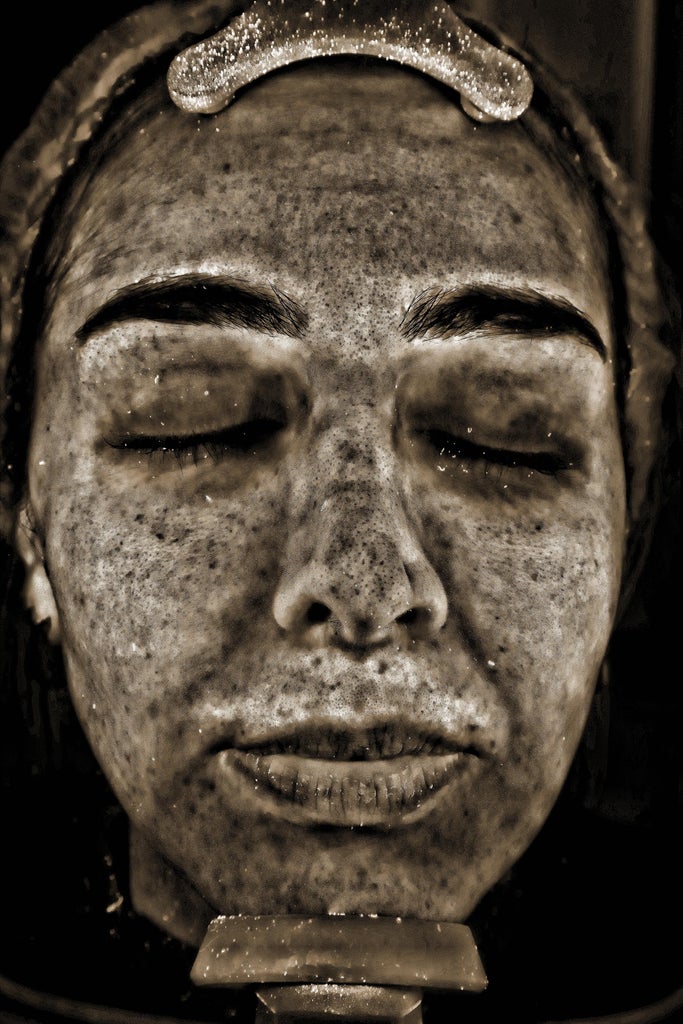
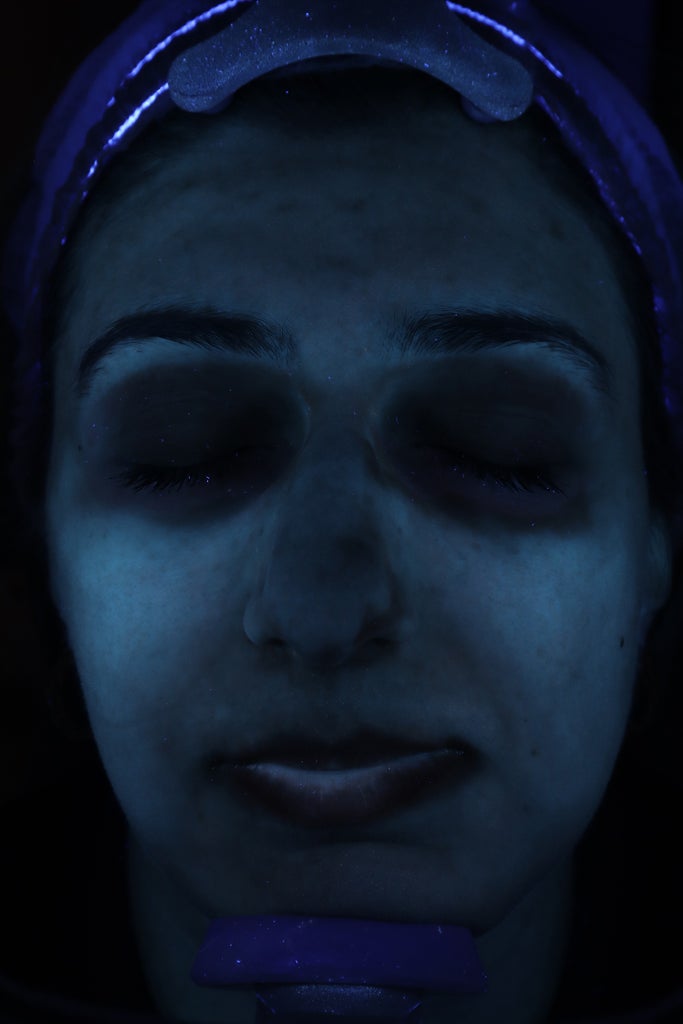
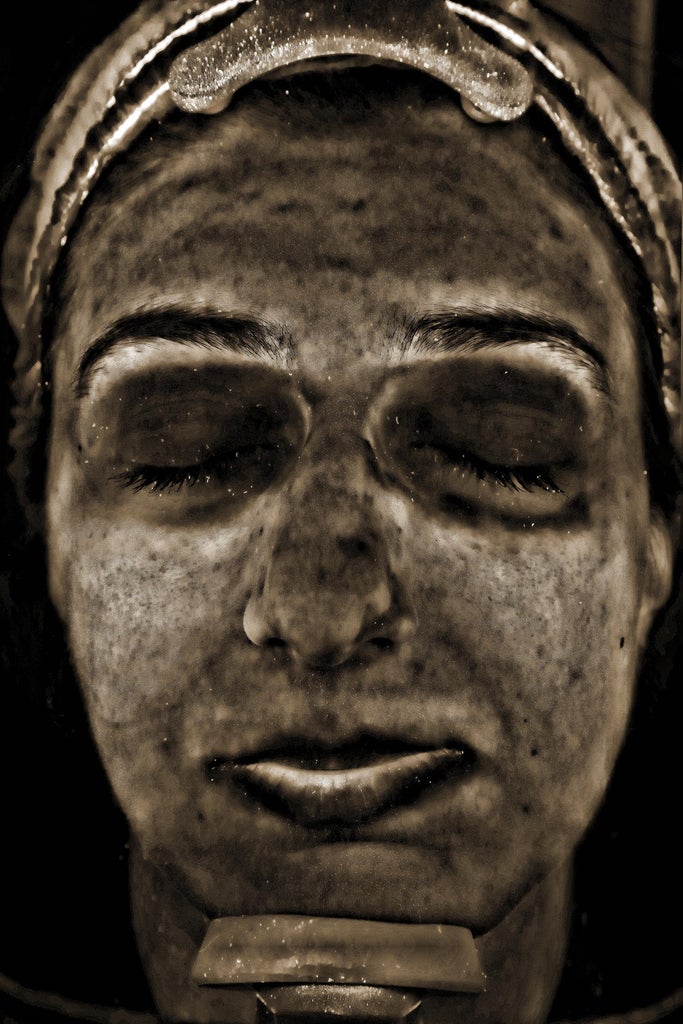
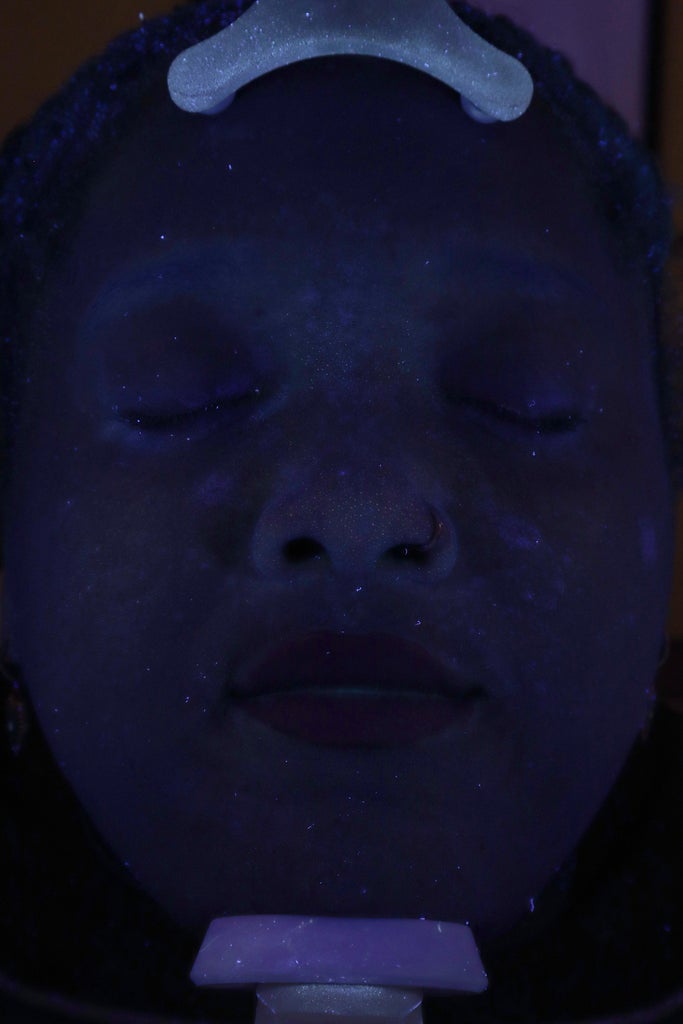
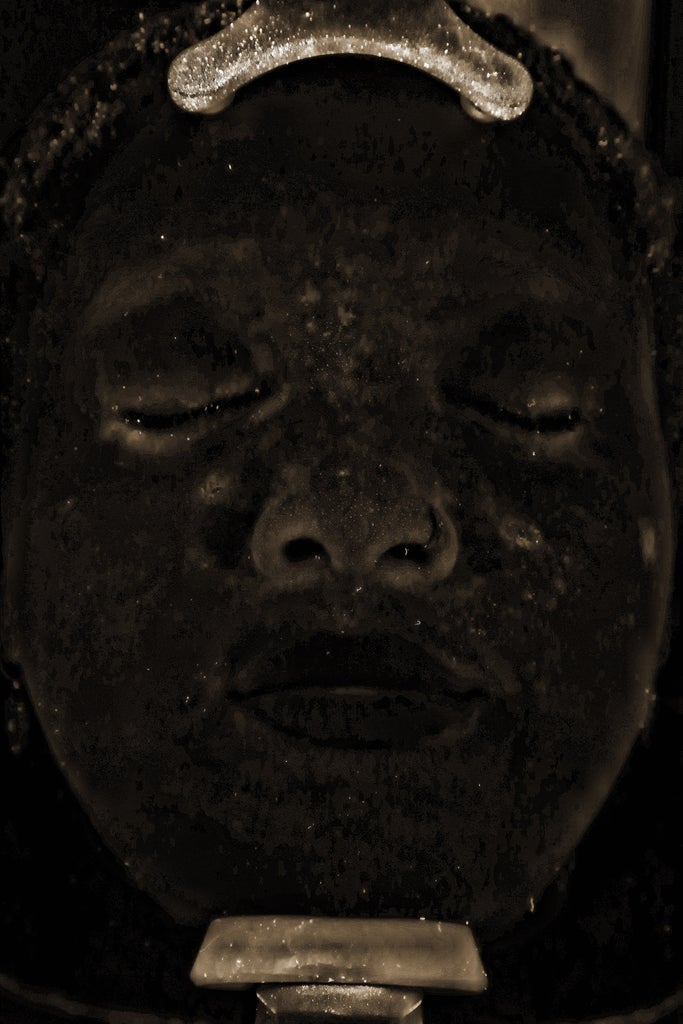
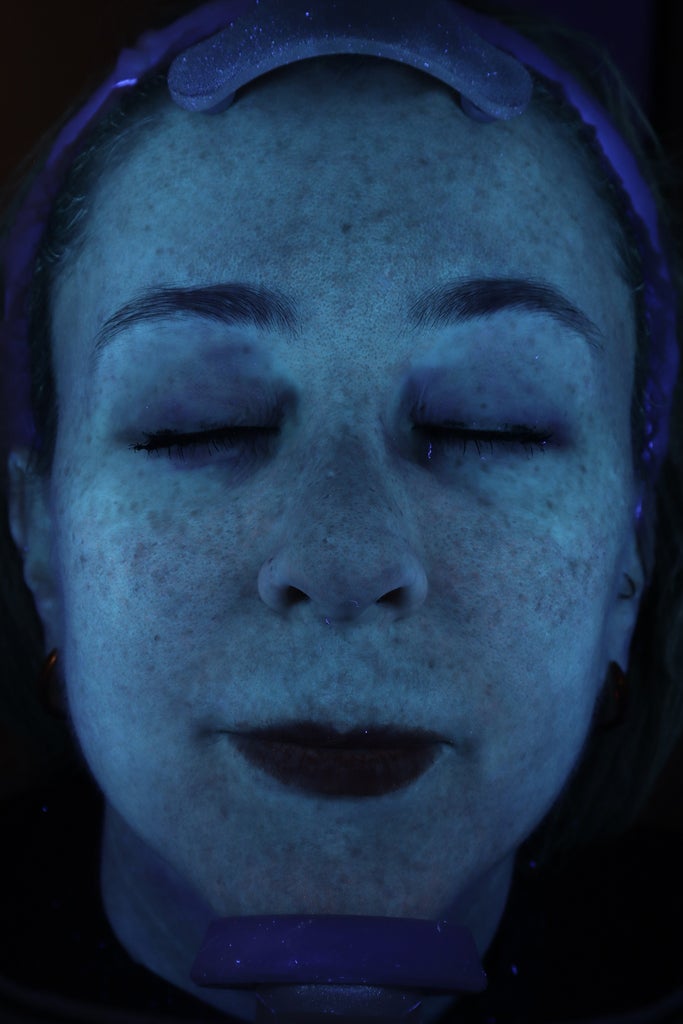
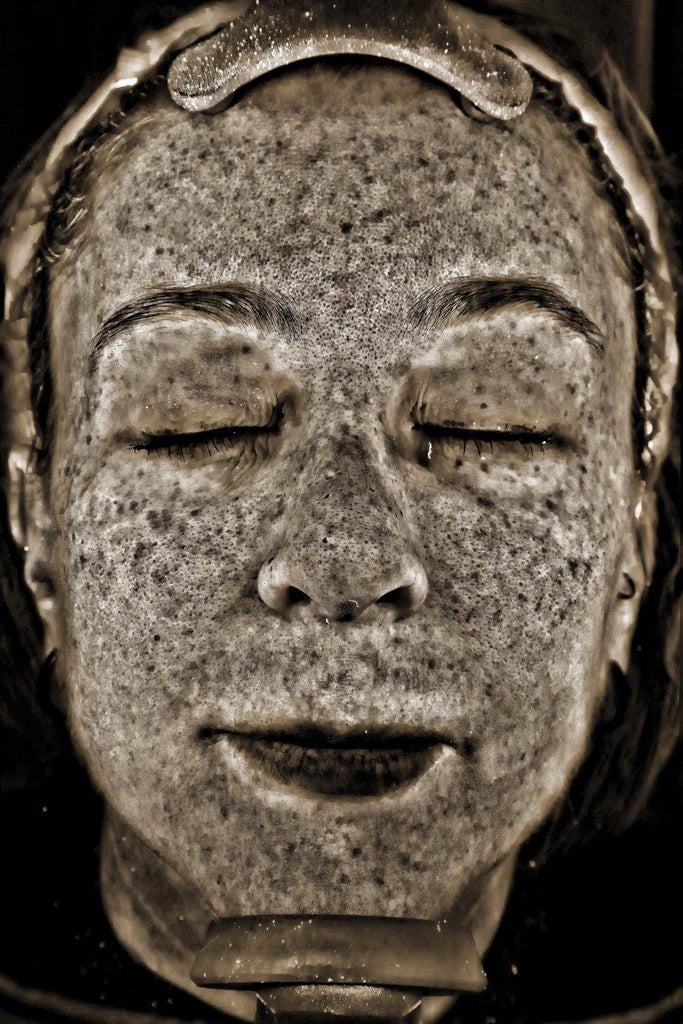
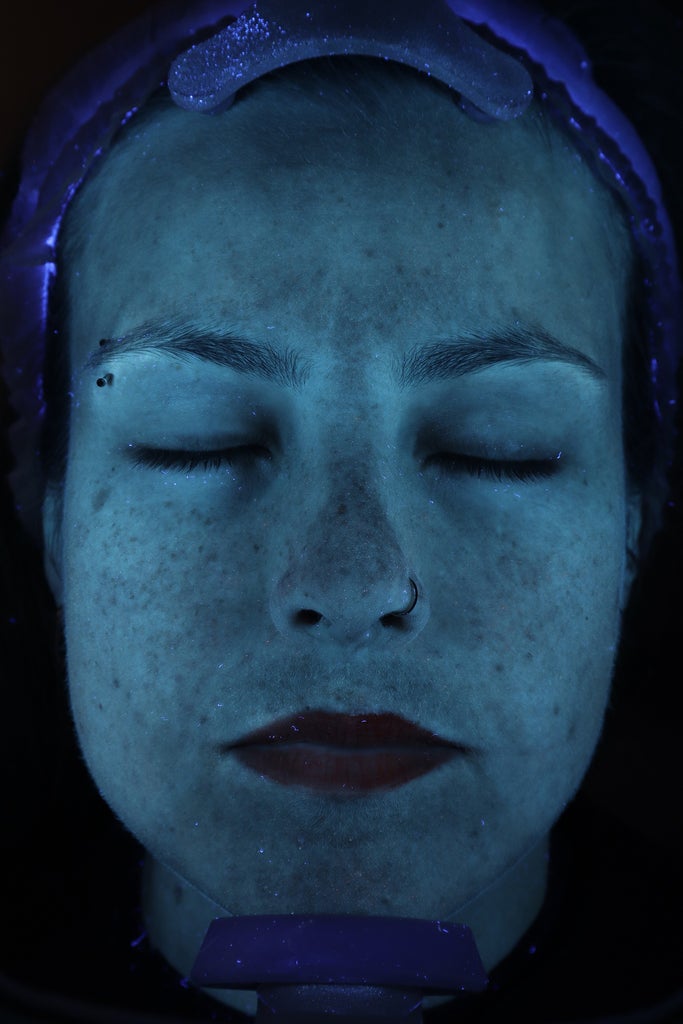
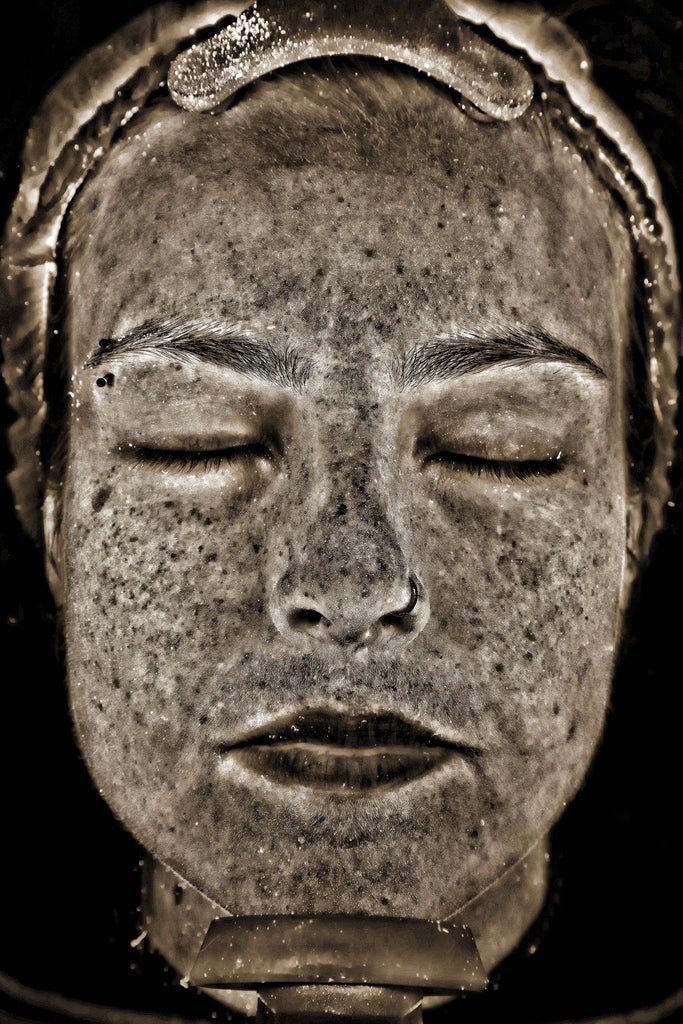
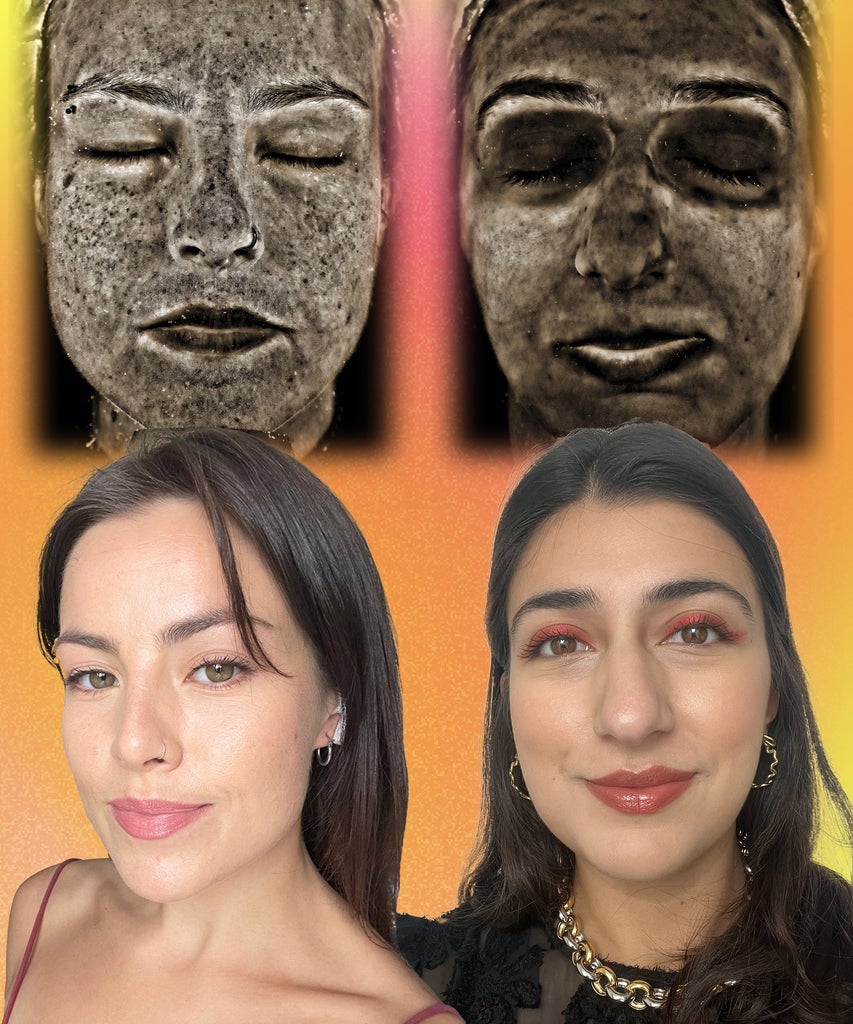
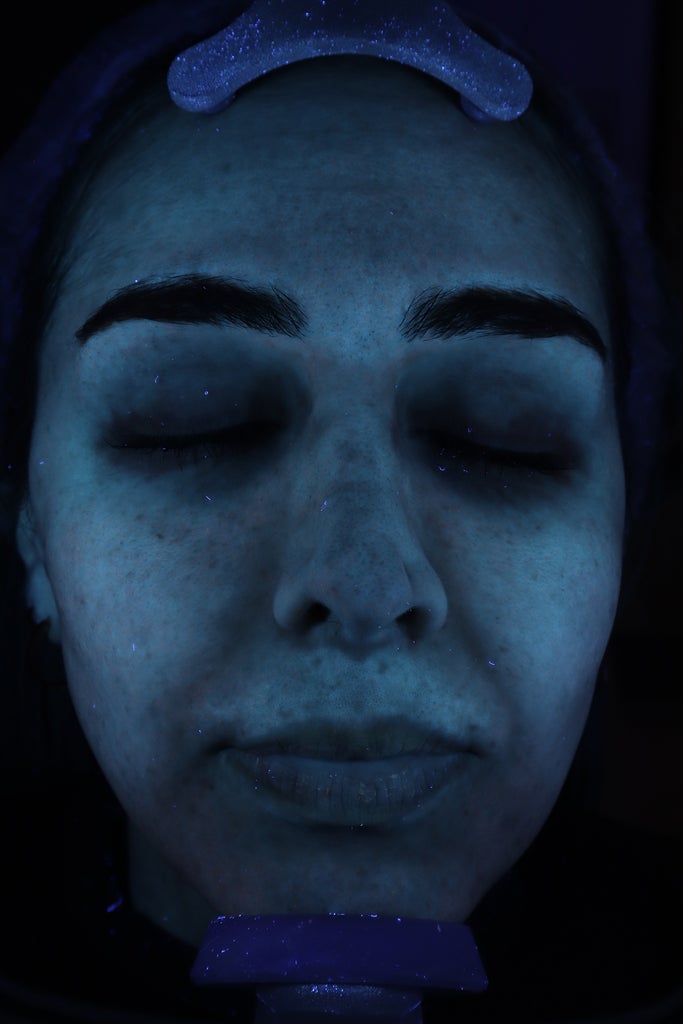
To find out, we went to Self London — a skin clinic recently opened by consultant dermatologist Dr. Anjali Mahto — to undergo a VISIA skin scan with skin and laser therapist Katie Dawson. The advanced VISIA machine uses imaging technology to analyse the skin’s surface and deeper layers. It then produces UV and ‘brown spot’ photos, highlighting where your skin might be sun-damaged, and offers insight into how to take care of it going forward.

Ahead, five Refinery29 staffers, each with a different approach to suncare, share how much sun damage they actually have and what the scan taught them about their sun and skincare habits.

Jacqueline Kilikita, beauty director

“I haven’t always been diligent about sunscreen. As a child, I used to hide from my parents when they tried to apply it — always on vacation somewhere scorchingly hot. It’s only in the past decade that I’ve become religious about wearing SPF 50 every single day, even when it’s cold or cloudy. UVA rays, after all, can penetrate clouds and glass — and I work by a huge window!

“I’m incredibly sensitive to the sun. Just 10 minutes outside in the heat can leave me feeling dizzy and sick, so I’ve never sunbathed or set foot on a tanning bed. I expected my UV photos to reflect that, and so did the clinician, who predicted they’d be “quite good.” That’s why I was shocked when she pointed out a smattering of dark brown spots across my forehead — sun damage likely picked up when I was younger. The regret!

“Thankfully, the rest of my face showed minimal signs of damage: cheeks? Pretty clear. Nose? Not too bad. Years of daily SPF have certainly paid off, but there are areas I need to watch. Around my nose, we spotted a couple of broken capillaries, likely from sun exposure, since UV can weaken the vessels beneath thin skin. Around my eyes, too, where sunscreen is often missed. My under-eyes and eyelids are already sensitive from using high-strength skincare ingredients like retinol and exfoliating acids, so layering SPF here is non-negotiable. Ultimately, the scan confirmed I’m on the right track. SPF 50 is my BFF.”

The expert’s opinion: “I wouldn’t say there’s too much of an uneven tone, but your forehead looks a little bit darker. Cheeks-wise, looking good. If you’re using strong ointments, make sure you’re wearing your SPF because your skin can become more irritated in the sun.”

DashDividers_1_500x100

Tanyel Mustafa, senior writer

“I’ve never been a sunbather, and as a kid, I fought my brother for the shadiest sunlounger when we’d go on vacation. I was also good at letting my mom slather me in SPF. But I was never good at applying it myself at home because I’ve never been burned in London. Admittedly, I haven’t taken the British sun as seriously, being olive-skinned. I got my first sunburn as an adult in Australia because the sun doesn’t play there!

“Starting my journalism career in beauty made me see the error in my ways, however. Although I’ll admit I don’t stay too true to daily application in the winter, during the summer, I wear SPF50 on my face every day. I don’t usually top up, though, and to be honest, I need to get better at applying SPF to my body. I dread to think how much damage was done at the last two Glastonbury festivals, with five solid days in the sun and virtually no shade.

“The scan was kind of what I was expecting to see. My inflammation was low, which checks out given my skin isn’t too sensitive, and my cheeks had less sun damage than my forehead, which also checks out because they are paler. When I apply foundation, I often aim for a shade between my forehead and cheeks. I was shocked to hear that I should be applying SPF to my eyes! I had eye makeup on, so I couldn’t see if there was damage on the scan. I was also shocked to see the large dark spot on my nose, which is exactly where I recently had a large breakout. The skin expert explained that this is probably some scar tissue that will fade in my next skin cycle.

“The biggest takeaway is to apply more sunscreen on my forehead and nose. Since the scan, I’ve been paying much more attention to these areas.”

The expert’s opinion: “Some areas are darker, like your forehead and the triangle around your nose. You’re taking good care of your cheeks!”

DashDividers_1_500x100

Vanese Maddix, contributing beauty writer

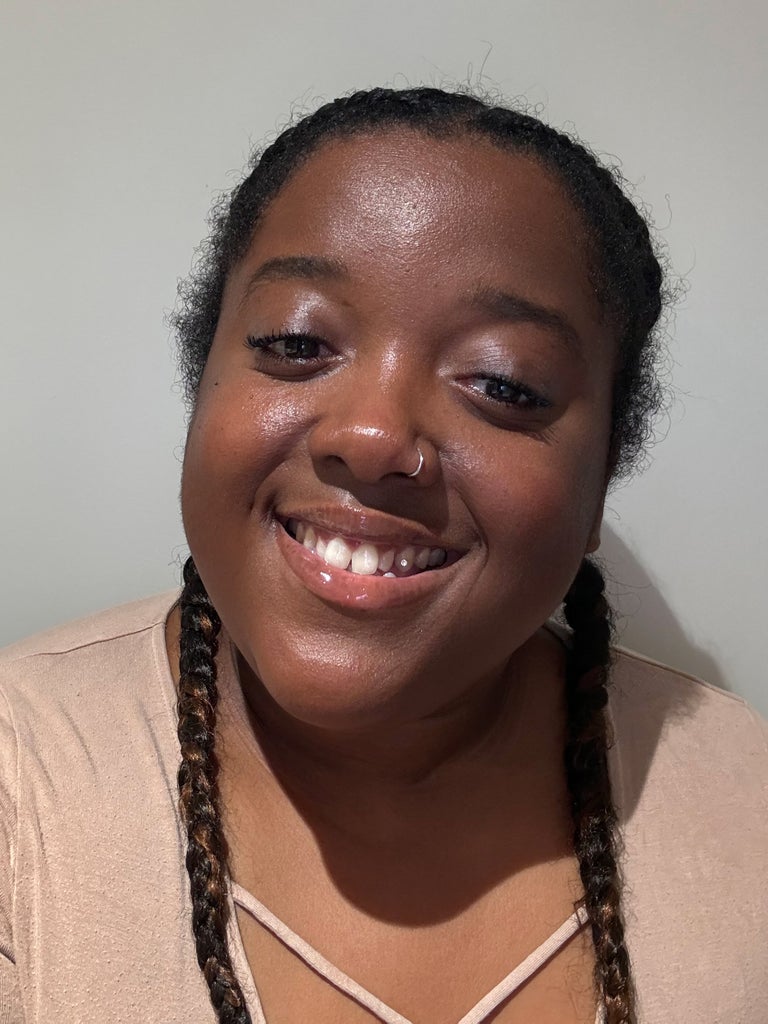
“My early experience with sun exposure is probably similar to that of a lot of Black and brown people in the England. Growing up, my family never went on vacations outside of the UK, so there was no need to dodge the sun in hot countries or worry about sunbeds. Until I was about 22 (when I went abroad for the first time), the only sun I knew was whatever the UK offered, and realistically, that wasn’t anything major.

“As a Black person, I was never really taught the importance of sun protection, and I think that’s because my parents weren’t taught by my grandparents, and so on. I’d often hear (even from non-Black people) that Black people didn’t need sunscreen because it was ‘impossible’ for us to burn. But about five years ago, when I began my career as a freelance beauty and lifestyle journalist, I learned that no matter your skin tone, everyone needs sun protection. Since then, I’ve applied sunscreen religiously. (Okay, when it comes to reapplying, I can be a bit lazy on non-sunny days, but I’m working on it.)

“I’d say I have a pretty good SPF routine now. I usually skip a separate moisturizer in favor of a glowy sunscreen that works as a moisturizer-sunscreen combo. I’ve also become better at reapplying throughout the day, often using an SPF stick because it’s just easier on the go. Thanks to my job, I’ve had a few different types of skin scans before, so I wasn’t too nervous about this one. I knew nothing had been flagged in the past as alarming. When I got my results, I was told I have good skin and minimal UV damage, which I’m still buzzing about! There were one or two areas on my cheek that I was advised to pay more attention to when applying sunscreen, and I’ve been showing those spots a lot of TLC lately.

“Overall, the results confirmed what I had hoped, which was reassuring, and I’m relieved that years without sun protection in my early life didn’t cause any major damage. The only surprise was seeing some congestion on my nose and a bit of redness. With my darker skin tone, inflammation and redness aren’t always obvious, so I actually appreciated the scan making me aware of it. Moving forward, I’ll keep up my daily SPF routine because it really does seem to be working. My main goals now are to get better at reapplying throughout the day and to be extra thorough about not missing spots, especially on my nose and cheeks.”

The expert’s opinion: “The white spots on your cheeks are sun damage that might not be visible on the skin, but they’re very faint. This is a good outcome, and I know you’re very good at wearing your SPF! Your skin is in really good condition.”

DashDividers_1_500x100

Susan Devaney, lifestyle director

“My 13th birthday was memorably miserable. I’d begged for a lilac leather jacket — the ideal gift to enter my teenage years in. But I’d been so badly sunburned the day before at a waterpark (having the time of my life, no less and ignoring my parents’ pleas for me to apply more cream or put on a T-shirt) that the numerous pulsating blisters on both of my shoulders meant the jacket had to stay untouched for days. Bed bound, sipping on water due to sun stroke, too, I lay in a dark room (my mom closed the curtains to avoid further sun damage!) for too many hours. A hard lesson learned; my relationship with the sun changed for good.

“Throughout most of life since then, I’ve opted for shade over sunshine. Having fair skin means I need to be careful. This doesn’t mean I haven’t been burnt since because let me tell you I have. (In my 20s, I lived in the Middle East for two years, and the sun is hot there!) Every time it happens, I guilt-trip myself about it because I wear SPF 50 on my face every day. I know to never wear less than a factor 50. But like most people, sunshine feels good, so when I do sit out in it, I consistently top it up — and I never sit out in the midday sun.

“My cautious approach to sunshine meant I was very curious to see my skin scan. Surely, it couldn’t be that bad? I thought. Thankfully, I think the scan showed my skin is doing okay so far. It’s truly bizarre to see your skin so close up, but equally fascinating. I have very sensitive skin — eczema, acne, and rosacea — so I fully expected to see a lot of inflammation and broken capillaries. I didn’t expect to be told I have a lot of sun damage on my nose, so I’ll be taking extra care with it going forward. I’m going to keep applying SPF 50 every day and embrace my pale skin. A tan means damaged skin if you’re as pale as I am, and it’s simply not something your future self would thank you for.”

The expert’s opinion: “The darker areas that we see on your nose are sun damage, but overall, this is good. There’s a little bit of spotting on the cheeks and forehead, so you want to make sure you’re wearing SPF.”

DashDividers_1_500x100

Kelly Washington, senior social editor

“I said I would take part in this piece as R29’s resident ‘reformed tanner’. The work of our beauty director, Jackie, and the wider team has certainly changed my relationship with the sun. I was a regular sunbather on family vacations (my whole family was, and known to only pack factor 15 — eek!). I also admittedly went on many tanning beds at university. They were so cheap per minute. Growing up in a rainy area certainly played a part. I craved the sun, and I felt I needed a natural tan from beds. I would go on tanning beds two to three times a week at least. Then I started working at a skincare brand and eventually at Refinery29, so my attitude to sun protection changed dramatically. Now I wear SPF 50 on my face every day. In the sun, I also use factor 50, but I can’t say I am always good at topping up.

“I was nervous to see my skin scan results because of my history of being a sun seeker, and I was a bit shocked, I can’t lie. The brown spot one in particular scared me. Thankfully, I am not in any immediate trouble, but I think it’s so different when the facts are shoved in your face — or shown on your face. I was advised by our clinician to continue to wear SPF 50+ and a hat on the beach. She also said that fair-skinned people who tan easily, like me, can be at higher risk of sun damage and skin cancer, since we don’t have as much melanin to protect us.

“Honestly, it confirmed what I suspected. I will definitely be more protective of my face, and there are so many good self-tanning face products on the market now that there isn’t any excuse for me to be burning my cheeks until I’m wearing perma-blush. I’ll certainly be more careful, but what’s done is done. I’ll absolutely pass the sun safety message on to my kids if I have them.”

The expert’s opinion: “Nothing is worrying to look at, but there’s some deeper pigmentation on the top of the forehead, as well as some freckling down the nose and center-face area, where we usually tend to burn. My advice is to be more mindful about wearing your SPF.”

This story was originally published on Refinery29 UK.

Like what you see? How about some more R29 goodness, right here?

You'll Actually Want To Use The Ordinary's New SPF
The Lessons I Learned When I Had My Moles "Mapped"

5 Skin Tweaks A Derm Told Me To Make For Spring

In our series Salary Stories, women with long-term career experience open up about the most intimate details of their jobs: compensation. It’s an honest look at how real people navigate the complicated world of negotiating, raises, promotions and job loss, with the hope it will give young people more insight into how to advocate for themselves — and maybe take a few risks along the way.
Been in the workforce for at least five years and interested in contributing your salary story? Submit your information here.

Age: 30
Location: New York 
Current industry and job title: 
Healthcare advertising, associate director
Current salary: $125,000
Number of years employed since school or university: Nine
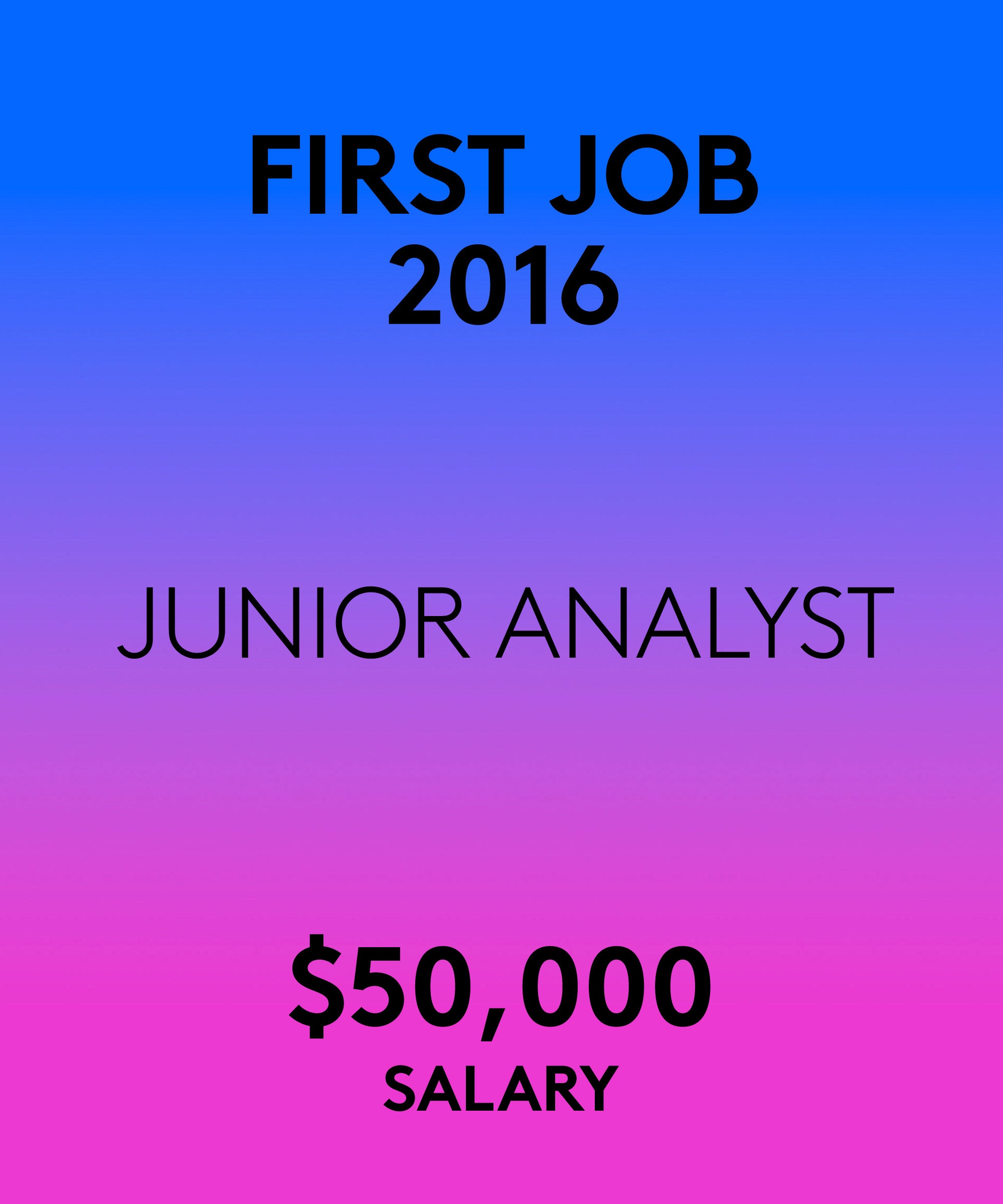
Starting salary: $50,000 in 2016
Biggest salary jump: From $75,000 to $95,000 in 2020.
Biggest salary drop: N/A

Biggest negotiation regret: While recruiters may present themselves as friendly, not all of them have your best interests at heart. Some may do the bare minimum, especially if they perceive you as desperate or an easy target to accept a position, in order to make their commission. So it’s better to give a poker face and don’t take no for an answer if you want to raise the offer.

Best salary advice: Men don’t think twice about negotiating their salary they just do it, so as women we need to do the same.

My first job out of school came from a summer apprenticeship in healthcare advertising where I got fully hired eight weeks later.

The salary offer exceeded my expectations as I was aiming for a minimum of $45,000, which was still above average at the time.

But the progression stopped there. I had asked for a promotion, specifically a raise and title change at my one-and-a-half year mark. I first brought this up during my mid-year review which was glowing. In that meeting, my boss echoed that I have been doing a great job and naturally earned a promotion.

Some of my peers got a promotion at the one year mark which I knew was an exception. I wanted to get ahead and start laying the groundwork for when I hit two years, because it was more common to get a promotion then. During subsequent one-on-ones with my boss he promised me that I would get a promotion soon and assured me he was working on it, but the company was not doing so well. They announced an acquisition and were doing a lot of layoffs around the same time so things were stalled.

I was at my wits end on waiting because I wasn’t confident my boss was taking the appropriate steps to get this into action. Instead of waiting any longer, I decided to seek other job opportunities and got a new job. When I sent my resignation, my boss wanted to counter and asked me how much my new offer was, and when I told her she replied “We can’t even come close to matching that”, so I was very glad to move on and waste no more of my time.

This job wasn’t a good fit, so I decided to give it a year because I had always heard it’s bad to leave a job under a year. The company wasn’t doing well and when I was hired they were trying to rebrand themselves after doing a massive layoff. We were constantly stressed trying to win new business and needed to work on the weekends and very late hours.

My wellbeing was impacted during this time and I was experiencing intense anxiety. My coworker became one of my close friends and introduced me to hot yoga. We would go to classes to cope, but also to complain and to lean on each other for support. We complained to our manager about the intensity and long hours but she thought we were “babies whining”. I wasn’t able to make plans in advance with friends on the weekend and would have to cancel a lot, so it was nice forming this close bond with someone at work who was experiencing the same thing.

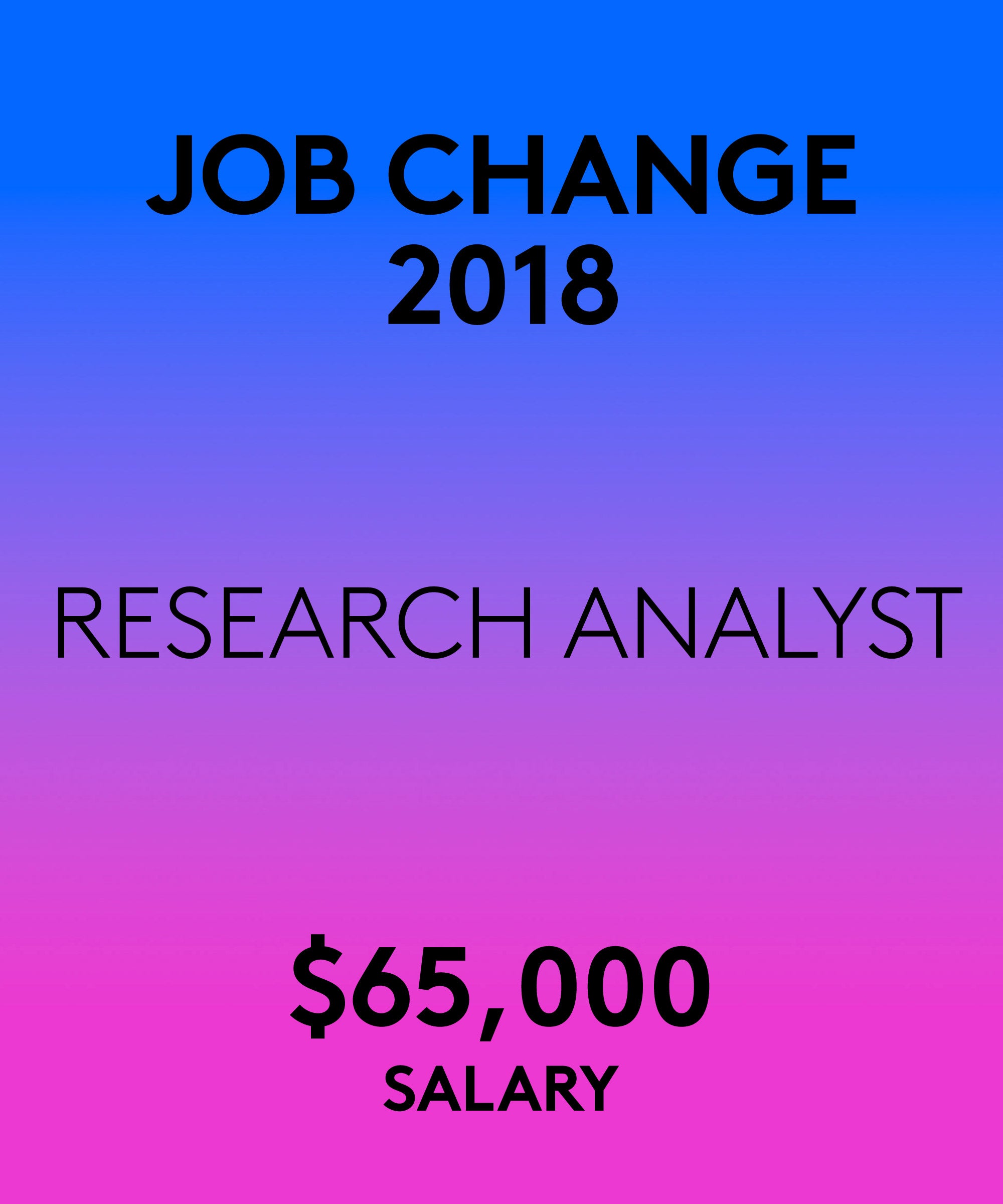
My $65,000 salary did not justify the hours and intensity of the job, so I left and found a higher paying job at a more stable and bigger company.

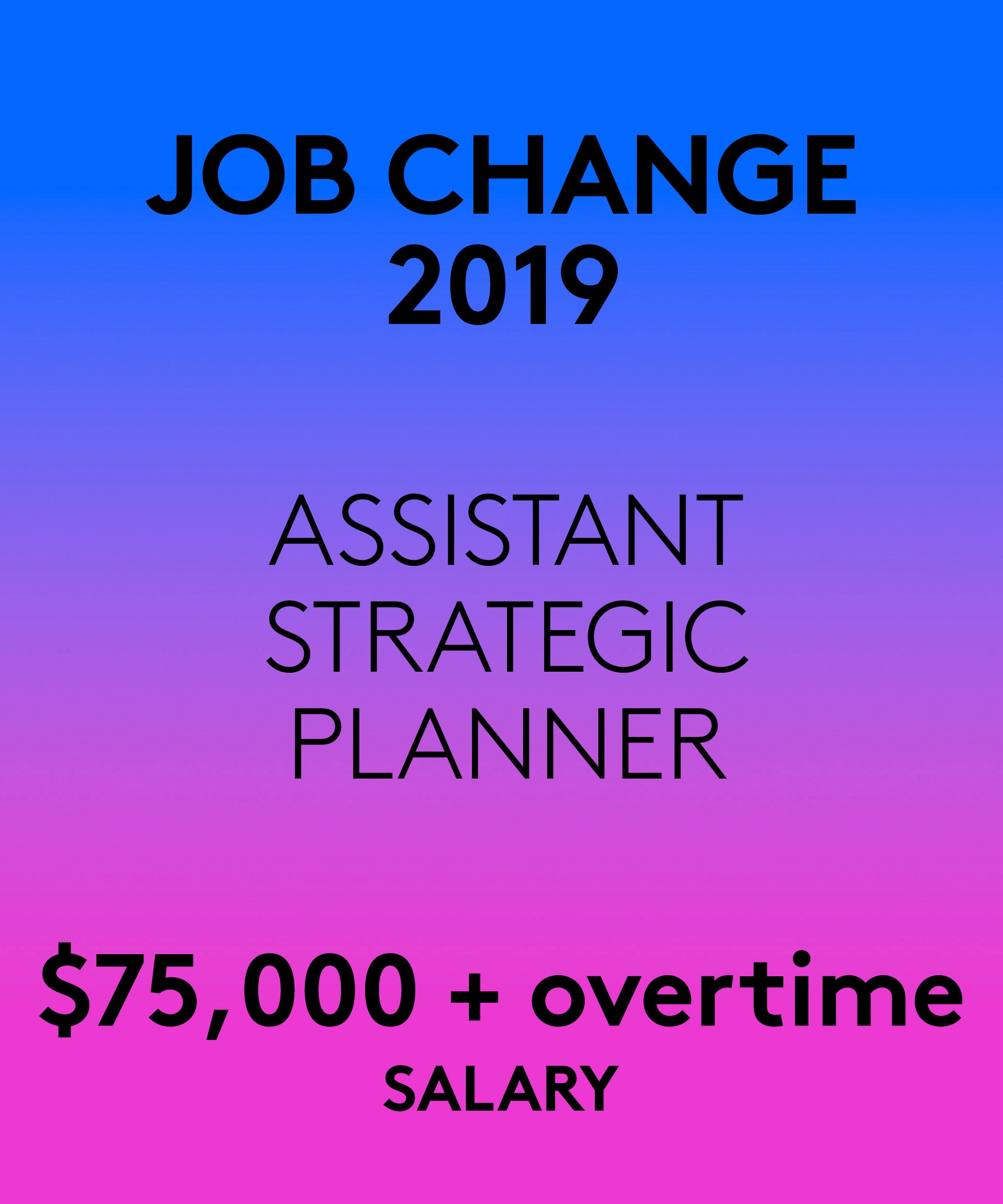
I negotiated on this salary as I was working with a new recruiter who could go back to ask for more on my behalf. The initial offer was only $70,000 and I was seeking $80,000. $75,000 was their max but they gave me overtime which was the biggest incentive to take this offer. My previous jobs did not pay overtime and it’s common to work late in this field, so I knew that I would have the potential for a nice bump from time to time.

As it turned out, I was working overtime every week and billing an extra two to five hours.

I decided to leave the job because the company’s leadership team was very unstable. I had gone through more than four different managers in a year and eight months. I had also been hired alongside another Assistant Strategic Planner who was white and came from no experience. I had four years of relevant experience and I am Black. When we had our yearly reviews, my white counterpart got a promotion and a raise. I didn’t. I was extremely mad about this as I had consistently been praised for my work performance and felt that this decision was racially biased.

I escalated this to the department head for a larger conversation because I felt it was unjust that I had not received a reasonable and professional answer as to why I did not deserve, or had not earned, a promotion. The meetings didn’t go well, and led to me seeking therapy for the first time.

I felt super vindicated when I resigned weeks later. I got three offers over $90,000 and was able to negotiate to $95,000 because of this. I was able to get the pay rise and promotion I deserved.
Then in 2022, I got my first in-house promotion ever.

This happened automatically, so I did not have to fight for it. I finally felt valued and seen. My manager was proud of me too, it was an amazing feeling all around.

In 2023, I received a second promotion to Associate Director, with a $12,000 increase. I’ve been pretty happy at my current job, much more than any of the others. I’m so used to leaving companies when I’m mistreated so it’s been nice to find a respectful workplace that values me and shows it through compensation.

The best benefit I have is unlimited paid time off and the office is closed in the week from Christmas to New Year. We have a very nice office, and we still have a flexible working mandate so I get to work from home or go into the office if desired. I really do enjoy my job and like feeling challenged. I also enjoy the people that I work with and the biggest thing for me is that I feel appreciated and respected. It’s helped me regain some confidence.
 
I’m in talks with my manager about getting another promotion, so I am expecting that in this year.

Like what you see? How about some more R29 goodness, right here?

A Week In San Francisco On A $27,000 Salary

Welcome to Sun Blocked, Refinery29’s global call to action to wake up to the serious dangers of tanning. No lectures or shaming, we promise. Instead, our goal is to arm you with the facts you need to protect your skin to the best of your ability, because there’s no such thing as safe sun. 

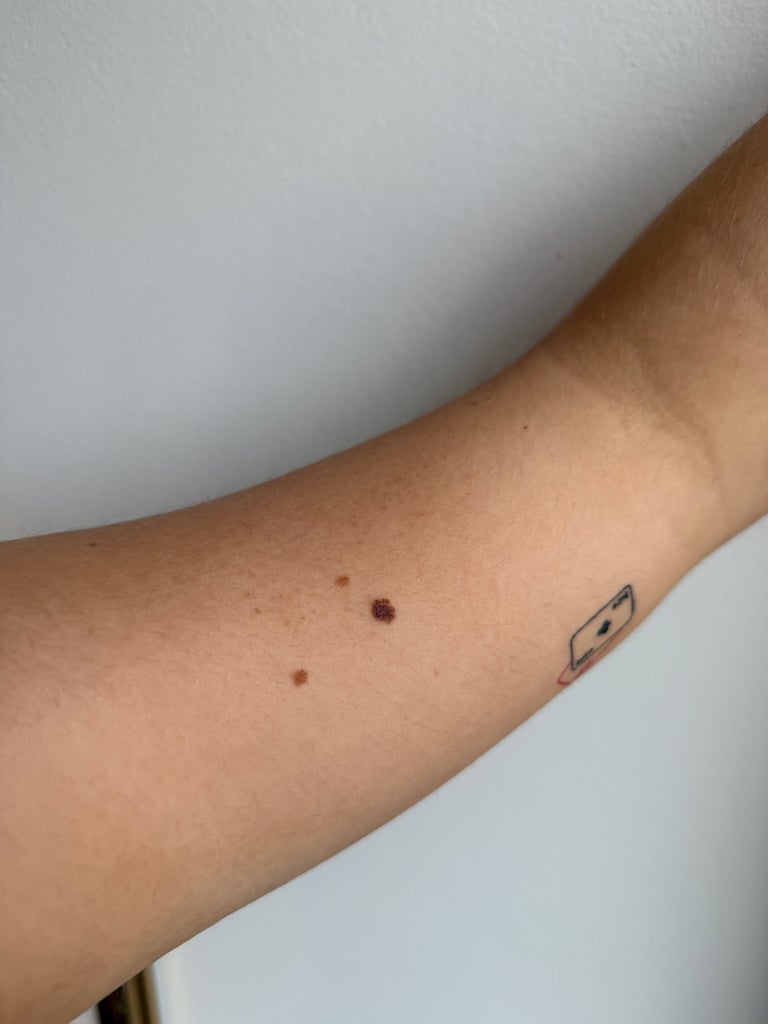
One thing I’ve known about my body since I was little is that I have a lot of moles. So has my mother, as did her father, and with every year, I’ve noticed more joining the gang. I’ve got moles on my face, red ones, brown ones, light ones, and even a cluster on my arm reminiscent of the Plough constellation.

To be truthful, I’ve never given them much thought. But working in the beauty industry and seeing the increasing awareness and conversations around sun damage and skin has meant that more recently, my moles have taken up residence as a niggling thought at the back of my mind.

I first heard of mole mapping a few years back (in a sitcom, no less). It’s a computer-assisted approach that enlists imaging technology to count and take pictures of moles, ruling out skin cancer. I added it to my growing list of ‘things I should do for my health’ before filing it away to be addressed at an unconfirmed later date. After all, I reasoned, my grandpa had lived to be 98, worked on farms for his whole life, and likely never knew what factor 50 was. Plus, my exposure to the sun is fleeting and sporadic, so my risk had to be minimal. Right? It turns out that I shouldn’t have been so sure. But more on that later.

What are moles, and what causes them?

While many people have moles, not all of us (myself included) are sure what they are or why they show up. “Moles are common on the skin and form when pigment-producing cells group together,” says consultant dermatologist Dr. Zainab Laftah. “They usually present in childhood or teen years, but some appear later,” she says. There are different kinds of moles, too. “They can be flat and dark, slightly raised and colored, or flesh-colored and raised,” she explains.

How our moles develop and the number we accrue through life can be attributed to two things: genetics and our exposure to the sun. You can’t avoid your inherited disposition to moles, but sun exposure can increase the number that appear, especially with more time spent in the sun during childhood, Dr. Laftah tells me.

UV radiation is a major contributing factor to melanoma, a type of skin cancer that can spread to other parts of the body. A survey conducted by the American Academy of Dermatology found that out of 1,000 US adults, 52% of Gen Z adults were not aware of one or more sunburn risks, including potentially developing skin cancer. Crucially, we need wider education and increased awareness about moles: How to check them, which concerns to look out for, and how dangerous sun exposure can be.

When are moles a cause for concern?

Although the majority of moles are ‘normal’ or benign, they can change over time and turn into melanomas, aka skin cancer. Contrary to popular belief, people around my age (26) aren’t exempt, as I learned from Professor Firas Al-Niaimi, a leading dermatologist and skin expert at Taktouk Clinic. In fact, the American Cancer Society reports that melanoma is one of the most common cancers among young people. Dr. Al-Niaimi added that just a few episodes of severe sunburn can increase your risk of developing melanoma. Similarly, just one session on a tanning bed before the age of 35 increases your risk of developing melanoma by 75%.

This is not a lecture, and none of this is meant to scare you. But if I’ve learned anything from the many skincare experts I’ve spoken to over the years, it’s that keeping track of your moles is vital. “We usually say that if a mole is increasing, becoming asymmetrical, or changing color, please get that checked,” Dr. Al-Niaimi tells me. So if, like me, you’ve got more moles than you can poke a stick at, then getting mole-mapped might be a seriously worthwhile investment for your health and peace of mind.

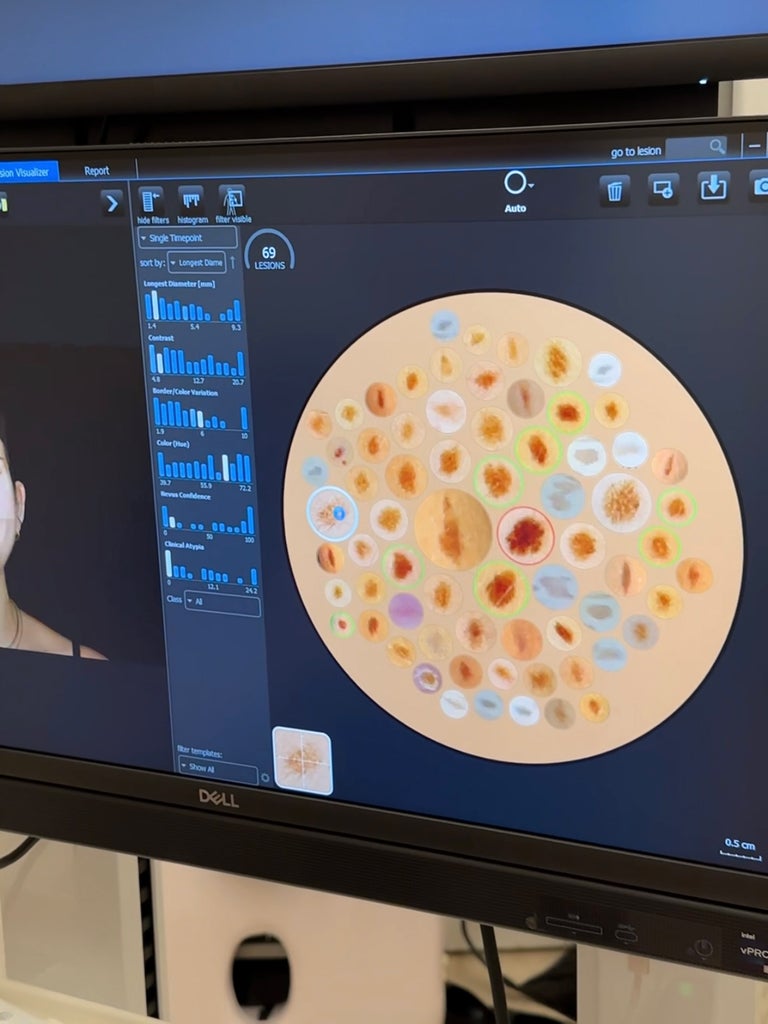
My mole count came to 69 in total. There they were, clustered together on the screen like a petri dish. Seeing them up close — the sheer volume of them laid out in that way — was unnerving.

What is mole mapping?

Mole mapping is a kind of skin health MOT that involves taking full body photographs using a camera to collate data on your moles, helping you and your dermatologist keep track of them and any changes to their appearance.

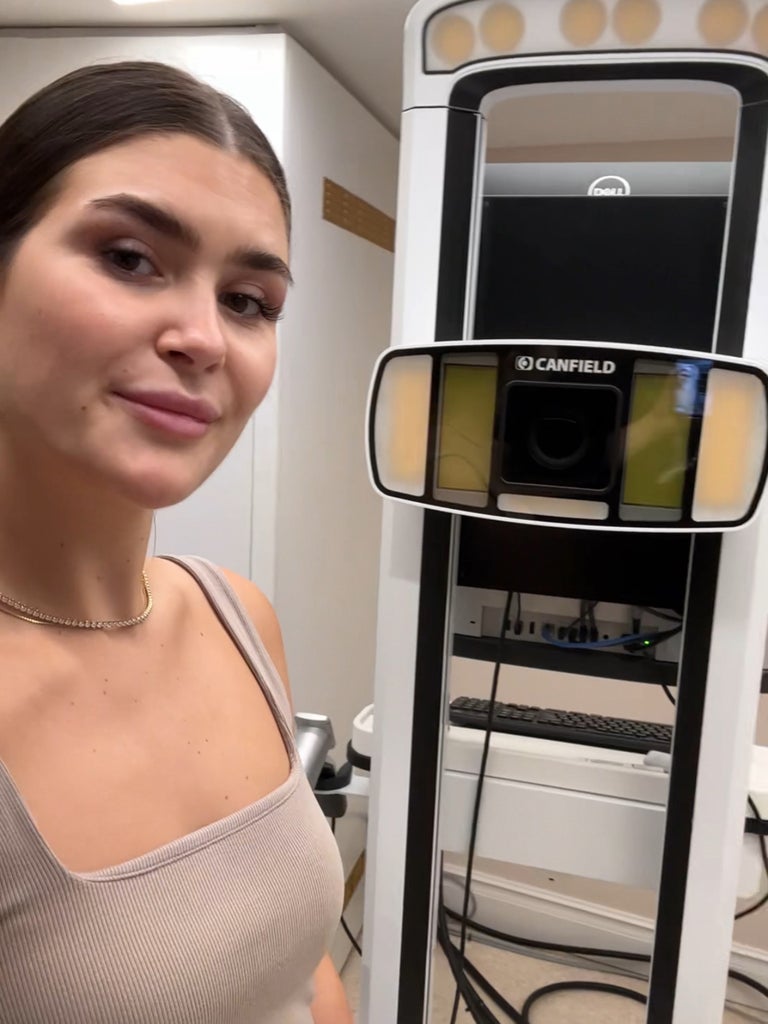
Depending on where you go, mole mapping services will utilize different technologies and software. To test out one of the most advanced mole mapping machines available, I headed to London’s Montrose Clinic to put my moles under the scrutiny of its Canfield AI machine, but mole mapping is available in various clinics across the US.

What happens when you get your moles mapped?

For the admin-adverse (and those on a tight schedule), it’s good to know that the preparation for a mole mapping appointment is minimal. There’s no full-body shave or fake tan removal necessary, just a quick medical history form to fill out prior. The whole appointment took under half an hour, with the mole mapping itself taking around 15 minutes. This makes it easy to slot an appointment into your lunch hour and still have time to grab a sandwich afterwards.

When I arrived, I was greeted by Ciara Vereker, a specialist nurse practitioner at Montrose and National Health Service (NHS) lead skin cancer clinical nurse specialist for Imperial College Trust, who would be taking me through my mole mapping appointment. She explained what to expect, including how the camera works and what it would be able to show me. As it’s a comprehensive full-body scan, you can only wear your underwear for the photos to get the clearest possible results (one to note if you’re like me and often forget to wear a bra).

I stood on a marked spot in front of the head-height Canfield machine while Vereker talked me through the various poses I needed to take for the camera to get all the angles it required: facing forward, backwards, running man, inner leg, soles of my feet, hands behind head — nothing strenuous or reminiscent of a yoga class, thankfully. The camera whizzed through the different shots, taking detailed photographs of each section of my body. The AI present in this machine is instantly able to count and assess different aspects of the moles such as their color, diameter, border, and color variation, as well as ‘clinical atypia,’ aka how different from ‘normal’ a mole is.

My mole count came to 69 in total, which Vereker showed me on the Canfield’s computer. There they were, clustered together on the screen like a petri dish. I’ve been pretty comfortable with my moles my whole life, but seeing them up close — and the sheer volume of them laid out in that way — was unnerving. That said, it granted me unparalleled 360-degree mole vision, allowing me to see ones I’d never laid eyes on before, including a mole at the back of my neck that had slightly concerned me as I’m forever catching it on my necklaces.

I couldn’t help but think back to the previous summer when I’d sunburnt my arms and noticed the skin around that mole peeling.

My moles also classed me as a strong contender for atypical mole syndrome, a disorder of the skin characterized by the presence of more than 50 moles, with three or more of them looking atypical. Vereker started selecting several moles for us to look at more closely on the screen. Of those 69 moles, she went over certain ones again based on what the machine had flagged as being of interest, as well as any that I wanted to check. For this second check, she used a hand-held camera that captured the moles in almost microscopic detail, showing them to me on the screen as she went along and assigning them each a status. ‘Inoffensive’ or ‘no remark’ meant I was good for another year; ‘follow up’ meant I would need to get them checked again in around four to six months.

Vereker explained that an annual mole check-up is recommended for most people, especially those at higher risk of melanoma, such as people with fair skin, skin that burns easily, those with a long-term history of sun exposure, tanning bed users, and people with a family history of skin cancer. A dermatologist may then flag concerning moles for ‘follow-ups’. While I hadn’t been seriously worried about any of my moles, the one I had singled out to Vereker as a possible concern (I’d noticed it was marginally darker and larger than my others) was one that the machine flagged. Visible differences in moles can be small and difficult to spot with the naked eye.

On closer inspection with the hand-held camera, Vereker assessed my moles using what’s known as the ABCD rule. Dr. Al-Niaimi outlines the changes that specialists look for according to this guideline: “A is for asymmetry, so if there is asymmetry, the two halves are not similar to each other, and one half is changing. B is for borders, so if your mole starts to get an irregular-looking border. C stands for color change — if it starts to darken, become black, grey, or blue. D is for diameter, so if it’s increasing [in size].”

My rogue mole, located on my inner bicep, was looking slightly abnormal in its border and color. It had grown to the size of a pencil-head eraser (I’d noticed it was only about half the size before), with a speckled, asymmetrical border and a darker, slightly raised center. While these abnormalities weren’t obvious to my naked eye, they were glaringly apparent when I saw them under the lens of the machine. It drove home how vital mole mapping services and expert opinions are, even for those who think they can monitor their moles on their own.

Vereker explained that she would send the results straight through to the in-clinic dermatologist to have a look over, who would then discuss it with me in more depth. Five minutes later, I was in dermatologist Dr. Mariana Noy’s office. She explained what was concerning about my mole and recommended that, having further evaluated the mole herself, it would be best to get it completely removed. Dr. Noy told me that the clinic could carry out the procedure with its in-house plastic surgeon as soon as the following day.

Being at risk of having a malignant mole at 26 was not on my bingo card for this year. But if it can happen to me, it can happen to anyone.

I’ll be honest, I was a little shocked. I’d come along to the appointment expecting to learn a bit more about my skin and to educate myself on moles; now I was being told that one of my moles was concerning enough to warrant full removal. I was so grateful that I was in such good care and that my concerns could be actioned straightaway by a dedicated team, but it did feel like a bolt out of the blue. I couldn’t help but feel uneasy afterwards: If I hadn’t been fortunate enough to have had this mole mapping service, I doubt I would have been concerned enough about that mole to get it checked out on my own.

While I’ve never used tanning beds, possibly get a holiday in the sun once a year if I’m lucky, and try to use SPF diligently, I couldn’t help but think back to the previous summer when I’d sunburned my arms and noticed the skin around that mole peeling. It made me wonder if that was the trigger, and just how easy it is for one accidental sunburn to have a serious effect.

Being at risk of having a malignant mole at 26 was not on my bingo card for this year. But if it can happen to me, it can happen to anyone. Having only ever been seen by the NHS for medical issues, it was a completely new experience for me to be able to see my results straightaway and for them to be evaluated so swiftly by a medical professional with immediately actionable points.

How much does mole mapping cost?

The price for private mole mapping will depend on the type of service available in your area. Montrose Clinic’s package, which includes the mole mapping service with the Canfield IntelliStudio followed by a review with a consultant dermatologist, is £495 (approximately $657). It goes without saying that access to private consultations and services such as these is a huge privilege, and it’s paramount to note that they aren’t easily accessible to individuals from all socioeconomic backgrounds. According to the Journal of the American Academy of Dermatology, lower income and socioeconomic status is linked to a worse prognosis of skin cancer, and with doctor appointments difficult to secure, it puts those who aren’t able to afford private care at a huge disadvantage.

The good news is that education and intervention around skin cancer and the risks of sun exposure are being taken much more seriously. Many dermatologists now offer mole mapping appointments, and free mole mapping services are available in various states.

For full transparency, I’ll be going to my doctor for an urgent referral for my own mole removal — though I’m still waiting for an appointment. While I was incredibly happy with the service at Montrose, my current financial situation won’t stretch to private removal, which starts at around £495 (approximately $657), with an extra £250 (approximately $332) to have the mole sent off for lab testing. The lesson this experience taught me — that even if you are only slightly concerned about a mole, and don’t think it’s a big deal, you should get it looked at — is priceless. If sharing my experience leads to more people getting their moles checked out, then it’s completely worth it.

When it comes to looking after your moles on a day-to-day basis, Dr. Laftah suggests applying a broad-spectrum sunscreen of at least SPF 30 daily. “Also avoid excessive sun exposure and remember to perform self-checks on moles for any changes,” she says. For moles that aren’t easily visible (i.e. those on your back), asking a friend or partner to take a photo of those areas every few months is important to be able to monitor any changes.

Another positive outcome of my appointment is that a handful of my friends are looking into getting their moles checked. It’s crucial to have these open conversations around skin cancer, and if you are concerned, don’t put off getting a mole checked by your doctor or dermatologist if you can afford it. And please, the next time you’re out in the sun with your friends, make sure you’re all regularly slathering on the SPF.

This story was originally published on Refinery29 UK.

Like what you see? How about some more R29 goodness, right here?

How Much Sun Damage Does Team R29 Really Have?

Sunscreen Anxiety: Are You Taking SPF Too Far?

You'll Actually Want To Use The Ordinary's New SPF
Fans of teen romance rejoice — we’ve got new bingeable content. Forever, a Netflix series based on the controversial young adult novel of the same name by acclaimed author Judy Blume hit Netflix on May 8. First released in 1975 — around the time oral birth control started to become very popular — the novel Forever made cultural waves thanks to Blume’s honest depictions of adolescent relationships, showing what it looks like to fall in love as a teenager and openly explore your sexuality.

That same core story is brought to life on screen through an eight-episode series, created by Mara Brock Akil, the mastermind behind the hit shows Girlfriends (starring Tracee Ellis Ross), The Game (starring Tia Mowry), and Becoming Mary Jane (starring Gabrielle Union). “I can remember very clearly what I was doing at 12 [years old], reading this book I wasn’t supposed to be reading. It was 1982, we were passing this book around [at school],” says Akil, via press release. She also echoed these sentiments in an interview with Unbothered. “I used to read it by the light of the hallway and I would have to position my book a certain way to read it. I always say, to this day, I think that’s when I messed up my neck.”

Akil’s adaptation is a winner. And not since Lara Jean Covey and Peter Kavinsky have we seen chemistry so palpable, miscommunications so grand, and declarations of “like” — and eventually love — so swoon-worthy. And this time, the leads are both Black, both dark-skinned (a rarity for Netflix shows), and both dealing with all that comes with being young, Black, gifted, and in love. This is teen romance like we haven’t seen in, well, forever.

Set in Los Angeles in 2018, with police brutality and the early stages of the Black Lives Matter movement very firmly part of its zeitgeist, Forever  begins with Keisha Clark (Lovie Simone) and Justin Edwards (Michael Cooper Jr.) unexpectedly reconnecting at a New Year’s Eve party. It’s something like love at first sight and sparks fly immediately. Played masterfully by Simone, Keisha is self-assured and determined. She is a runner with her sights set on a track scholarship to Howard University. She knows what she wants and is willing to do just about anything to get it. Opposite her is Justin. A beautiful Black young man who has the pressures of family expectations, legacy, and adulthood before him. Cooper brings the character to life with an acute kindness and sensitivity that makes him a safe space — for Keisha (and, honestly, viewers) — to fall in love.

What unfolds after their meeting is a messy adolescent love story that includes exes, a sex tape, prom, a summer in Martha’s Vineyard, college acceptance letters, family drama, graduations, and a very big decision at the end of it all:  Should Keisha and Justin stay together forever?

Here, Simone and Cooper Jr. talk about how they made their characters’ chemistry believable, why romance and vulnerability on screen matters, and whether or not they believe in blocking someone you’re dating.

Unbothered: First of all, congratulations. I watched the whole series and I loved it. Mara talked about how influential Judy Blume’s novel was for her growing up. Did you both revisit the novel while you were preparing for the role?

MCJ: I did. As soon as I heard I got the part, I definitely bought the book and I read it. I studied it. It’s a beautiful novel. And Mara’s beautiful adaptation really brought some of the nuances to life in a newer form.

LS: I also did read it during the audition process, and that made me fall in love with it even more. After reading it, it was really all in for me. I was like, “Okay, I really got to get this one!’ [Laughs.] I really love the characters and the story. It’s just a beautiful coming-of-age story.

It’s very important to highlight intimate moments with awkward teenagers and maybe not-so-sexually-advanced teenagers, because it is reality.

lovie simone on ‘forever’

It really is. And I think both of you brought it to life so well. I want to talk about the chemistry that you have between your characters. For the  audience, it was so believable. What did you do off-camera to build that chemistry? 

LS: It was a little different because of where our characters were coming from in the story — there was a lot of tension because [so much had happened in the time that passed] between them. Towards the beginning in episode 1, we didn’t really talk too much. So there was a lot of tension because we did want to speak to each other.

MCJ: Absolutely. But, pre-shooting, when we were doing the audition process, Michael and Lovie as us — we got to know each other a bit more. We were over [in] each other’s rooms, going over lines, eating Wendy’s, and stuff. We broke the ice in that way and got to know each other.

Lovie: So [filming episode 1] was like meeting again for the first time.

That’s amazing. Speaking of the tension, I was stressed out because I am not a blocker — I do not block people. Keisha and Justin were blocking each other, left, right, and center on all platforms. I want to know if you, as Lovie and Michael, are blockers. Do you believe in no contact? What are your thoughts?

MCJ: That’s a good question!

LS: I want to know what you have to say. [Laughs.]

MCJ: Let’s discuss it.

LS: Are you a blocker?

MCJ: Look, I’m not a blocker, but if I need to block, I will block. You know what I mean?

LS: Yes.

MCJ: I will block.

Don’t try you. Don’t try you.

MCJ: Yes. Don’t try me. [Laughs.]

LS: Don’t try you. I’m not a blocker! [Both laugh.]

MCJ: You never block?

LS: No, I’m like, “Watch all of this.”

MCJ: That’s fair. That’s fair.

LS: I’m like, “I had a good day today. You need to see.” [Laughs.] Yeah, but I don’t communicate. I mentally block.

I was nervous to step into Justin. He’s such a vulnerable and such an emotional guy. I was like, ‘My guys are going to make fun of me for sure about this.’

michael cooper jr. on playing justin

I want to talk about the importance of shows for teens. I think this has been a big conversation lately, especially for young men and their ability to see healthy examples of romance in the media. Do you both think that’s important, and how do you feel like Forever contributes?

MCJ: I think Mara does such a beautiful job, and it really is a testament to her writing. Initially picking up the script, there was this line that really stuck out to me. If I’m going to be honest, I was nervous to step into Justin. He’s such a vulnerable and such an emotional guy. I was like, “My guys are going to make fun of me for sure about this.” But there was this line that he said that he had one foot in confidence and the other foot in insecurity. And I thought there was something so palpable and raw about that. I think it’s important because I’ve never seen a [character like] Justin on screen before. It’s important for young boys to really see someone who’s able to communicate in that way.

He was really vulnerable.

LS: [Nodding.] Yeah, yeah.

MCJ: Yes, absolutely. The world beats us down in a way that we typically suppress and suppress and suppress. Mara really had this idea of creating this full-figured guy who is able to express himself, and you see it throughout the story and in the relationship with Keisha. It’s important.

LS: I agree. I do think it’s very important to highlight intimate moments with awkward teenagers and maybe not-so-sexually-advanced teenagers, because it is a reality that happens. I do think you get to explore that in the world of Keisha and Justin. It’s cool to see people go through something for the first time, and to feel things for the first time, and what that might look like. Because [Judy Blume’s] book was a guide. It was a guide because there were all these firsts [that happened]. It’s cool that the show could also maybe be a guide for firsts, especially in today’s day and age with technology and social media and all that.

Like what you see? How about some more R29 goodness, right here?

Mara Brock Akil On Making 'Forever' Black

Black Teen Girls On TV Are A Mess… Finally

Let’s Talk About Colorism on Television

Let’s say you RSVP’d yes to a wedding this summer. The only problem: The dress code says “fancy goth ranch”…which is supposed to mean what, exactly? Decoding wedding guest dress codes and solving other real-life sartorial dilemmas are just a couple of things that our new R29 Fitted shopping show, done in partnership with Amazon Live, will tackle.

In our five-episode series, we’ll be giving our five-star recs, doling out advice and hacks (like how to sweat-proof your look or hem a dress at a moment’s notice), and spotlighting the trends we’re loving right now.

First up: an entire episode dedicated to piecing together a summer capsule wardrobe. Yes, you need one. Yes, it’ll streamline your getting-ready process. Yes, your life will change forever (no, we’re not being dramatic). In the segment, co-hosts and styling duo Danielle and Alix will show you how to build (and wear) the ultimate, non-boring 29-piece capsule that’ll reflect your personal style. Watch and shop the Summer Capsule Wardrobe episode now.

Throughout the next couple of months, tune in to watch for style advice, ‘fit ideas, and so, so much more.

Episode 2: Wedding Guest Fashion (live date: May 27)
Episode 3: Swimwear Problems, Solved (live date: June 9)
Episode 4: Packing Like A Pro (live date: June 24)
Episode 5: Summer Workwear 101 (live date: July 7)

Like what you see? How about some more R29 goodness, right here?

Long before Tucson, AZ became what it is today — a cultural touchstone of a city bursting with a rich history that has shaped its language, food, and traditions — it was the northernmost outpost of Spanish colonial Mexico. And before that, it was and still remains home to the Tohono O’odham and Pascua Yaqui people.

As a first-generation Mexican-American — the daughter of two Mexican immigrants — raised in Tucson, I saw just how unique the city truly is: a happy crossroads, a melting pot of multiple cultures. My family is from Nogales, Sonora, and I saw first-hand how much our southern neighbor influenced the city. I saw it in the evolution of the culinary scene that proudly features authentic Mexican cuisine. I saw it in the landmarks and sights I grew up frequenting, including the many, many murals that beautifully reflect the city’s cultural fabric and Mexican heritage.

So, if you’re planning to Visit Tucson, I compiled a guide of my favorite spots in the area, from El Tiradito Shrine to the Arizona-Sonora Desert Museum. I promise you: By the end of your visit, you’ll fall in love with the city, guaranteed.

Barrio Viejo

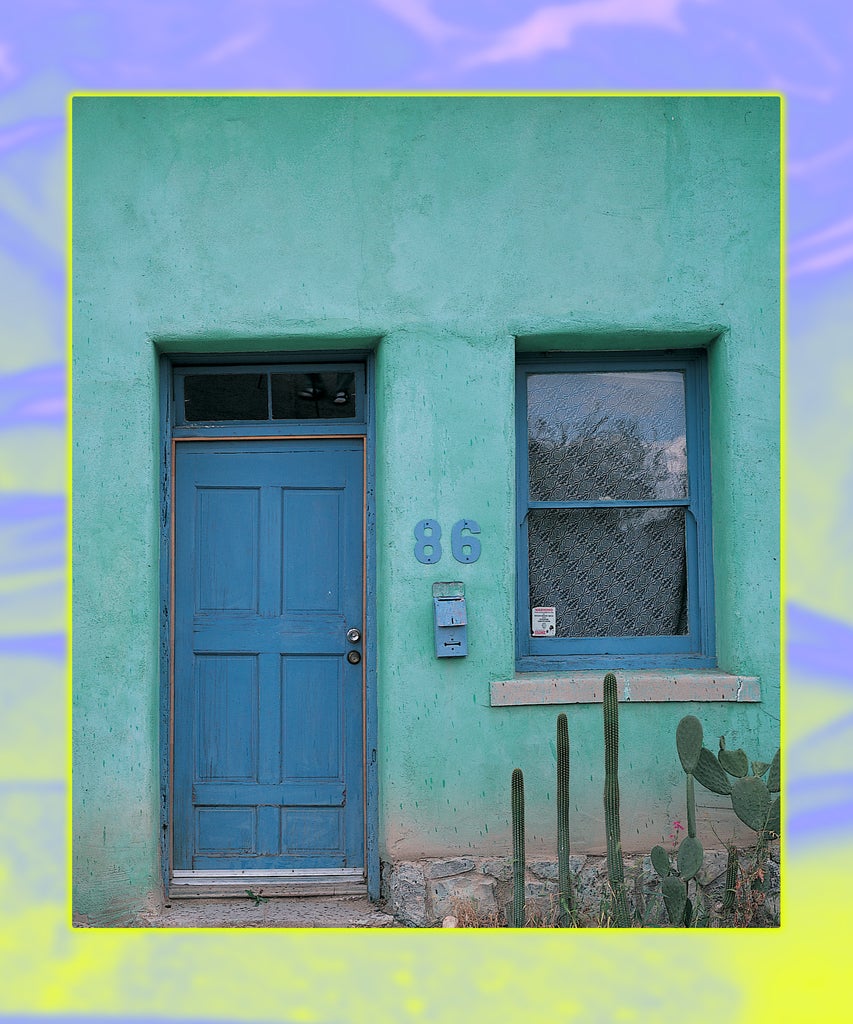
Step back in time and explore Barrio Viejo. It is one of the only neighborhoods left standing after the Urban Renewal programs wiped out much of Tucson’s historic Mexican barrios, offering a rare glimpse into the city’s past.

Colorful adobe buildings line its narrow and quiet streets, showcasing the influence of Sonoran architecture and the deep cultural roots that shaped Tucson. Back in the day, these adobe houses were seen as being a part of a slum, but today they are celebrated as a reminder of the resilience of those who built the town. Now, even as pockets of local businesses have sprung up, including El Minuto Cafe, The Coronet Cafe, and 5 Points Market, it’s still a whisper of the lively environment it once was.

El Tiradito Shrine

While you’re exploring the old barrio, don’t miss El Tiradito, a shrine that’s rooted in folklore, with a history dating back over a century. Legend has it that after a steamy love affair with his mother-in-law, Juan Oliveras is killed by his father-in-law with an axe to the back. Due to the “adulterous nature” of his death, Oliveras is buried in unconsecrated land. Over time, El Tiradito, or “the little castaway,” became a sacred site where visitors light candles and leave offerings; it’s believed that if a candle burns all night, a wish will be granted.

Every time I’ve visited, candles are already burning, their wax dripping down, covering and darkening the shrine’s walls — a sign of all those who’ve come to pray. The shrine remains a significant place for the Latine community, hosting vigils and events, including memorials like the one recently held for Congressman Raul Grijalva.

Mercado San Agustin

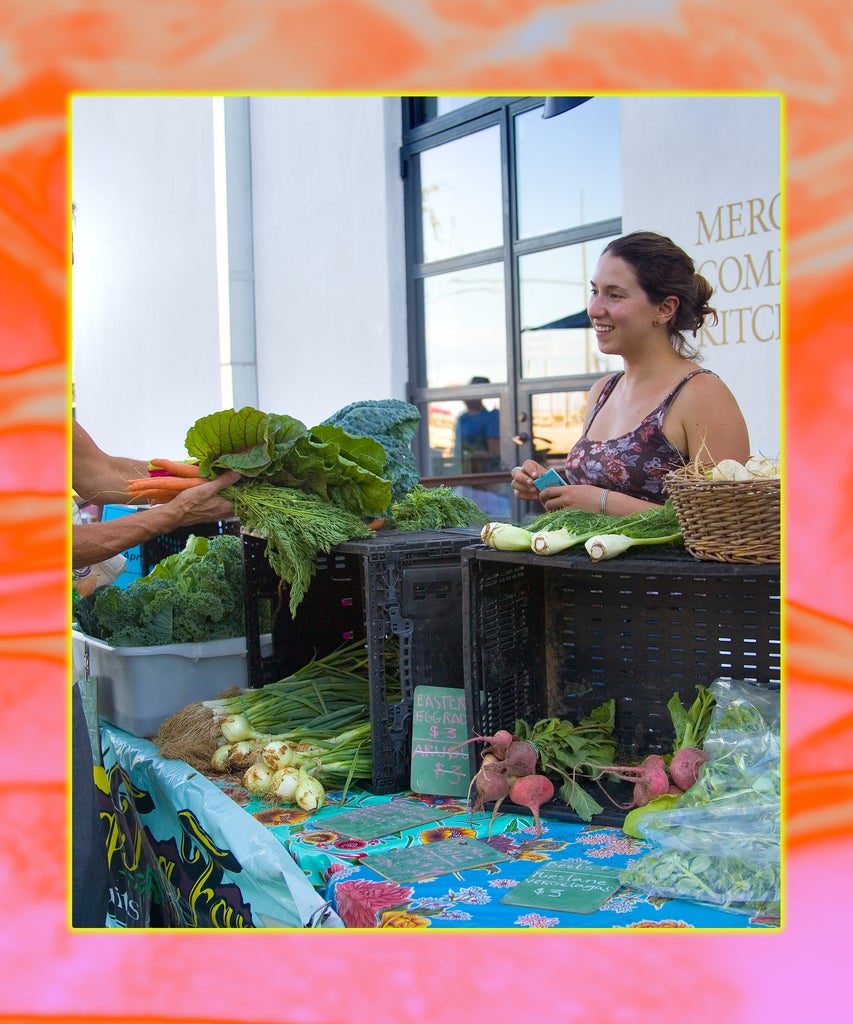
Near the base of Sentinel Peak, also known as “A Mountain,” is Mercado San Agustin, a vibrant open-air courtyard that brings together traditional flavors with modern vibes. It’s home to a bustling farmer’s market, along with a hub of Latine-owned local shops and eateries like Seis Kitchen and La Estrella Bakery (one of Tucson’s most beloved and historic pan dulce spots). You can sip coffee with pan dulce, enjoy some of Tucson’s Mexican food, and shop artisan goods — all in one place.

Just steps away is the MSA Annex, an extension of the mercado that’s made from repurposed shipping containers. It’s packed with even more local gems like Rollies Mexican Patio (go for rolled tacos and birria ramen), Why I Love Where I Live (a shop completely devoted to celebrating local vendors), and Decibel Coffee Works (famous for its small-batch roasted coffees), offering an eclectic mix of shopping, food, and community space.

Mission San Xavier del Bac

Mission San Xavier del Bac is one of Arizona’s oldest European structures and a key cultural and spiritual landmark. Founded by Father Kino to spread Catholicism to Indigenous communities, the mission is a breathtaking example of Spanish colonial architecture. Every detail, from the floor-to-ceiling artwork to the intricate sculptures, tells a centuries-old story.

Though the church is beautiful inside and out, my favorite memories are of hiking the hill beside it to reach the cross at the top to find a moment of spiritual connectedness. There is something so special about this historic landmark and the earth it sits on: Tohono O’odham Nation, a federally recognized Native American tribal land. It’s open to the public, but it’s important to show respect for their land, culture, and customs when you visit (that means not disturbing natural elements and being mindful of private residences). Near the church, pick up some fry bread, a fried sweet or savory dough treat from Santa Rosa Cafe, an O’odham family operation; peruse the assortment of Native American jewelry at gift shops; and stop by the San Xavier Co-Op, a farm that’s run by members of Tohono O’odham Nation, to pick up fresh produce and sundries.

Tumerico

Tumerico is a vibrant, Latina-owned gem that reimagines traditional Mexican food through a plant-based, locally sourced, and sustainable lens. Named the number-one vegan restaurant in the U.S., it’s more than just a place to eat — it’s a celebration of culture, flavor, and community.

Walking inside you’ll be greeted by Spanish music playing softly overhead and colorful art lining the walls. On my last visit, a large family behind me was teaching their three young children Spanish by naming the foods on their table, a beautiful reminder of how deeply culture and food are intertwined. Their tacos de papa taste just like my mom’s, the beans are pure comfort, and the jamaica is perfectly sweet. It’s the perfect place for sobremesa, where food naturally sparks connection and conversation.

El Güero Canelo

El Güero Canelo isn’t just home to award-winning Mexican food — it’s the embodiment of the American Dream. David “El Güero Canelo” Contreras started with a food truck and a dream in 1993. Today, he has three thriving locations. Contreras himself is a character. A passionate advocate for the Hispanic community, he even has his own day: August 13, officially named “Daniel ‘El Güero Canelo’ Contreras Day.”

Growing up, I remember going to El Güero Canelo with my family and being introduced to the Sonoran Hot Dog — a hot dog style from Sonora that involves a grilled bacon-wrapped hot dog served on a bolillo-style bun and topped with pinto beans, onions, tomatoes, mayo, mustard, and salsa. It was a life-changing experience. And the carne asada tortas, caramelos, and refreshing jamaica set the bar for Sonoran cuisine, solidifying the deep culinary ties between Tucson and our southern neighbors in Sonora.

Tucson Meet Yourself Festival

If you’re visiting Tucson in the fall, make sure to plan your trip around Tucson Meet Yourself (October 17-19), an annual open-air festival that celebrates the city’s rich cultural diversity and cuisine. Known as the “Tucson Eat Yourself” festival by locals (myself included), it’s a beloved, family-friendly event that brings together food, music, art, and tradition from the many communities that call Tucson home.

Walk through aisles of booths that offer everything from pupusas to fry bread, tamales to Turkish coffee. I always take this as my opportunity to try food from different cultures. But my favorite part isn’t the food, it’s the live performances. Baile folklorico, the Yaqui Ceremonial Deer Dance (one of the only places it can be seen out of its ceremonial context) and other Native American dances, Afro Peruvian dance, and so many other kinds of performances are happening all day long. It’s the ultimate celebration of Tucson’s multicultural spirit, showcasing the city’s flavor — literally and figuratively.

Arizona-Sonora Desert Museum

Tucson is a cactus-hugging town: We care and love the nature that surrounds us. That’s why if you’re going to visit any museum while you’re in town, let it be the Arizona-Sonora Desert Museum. It combines a zoo, botanical garden, and natural history museum, which reflects the rich biodiversity in the Sonoran Desert.

As someone who frequented the museum on elementary school field trips and later returned for date nights, this place holds a special place in my heart. With interactive exhibits, scenic desert trails, and captivating wildlife, it’s fun for everyone and fosters a deep love and respect for the desert.

Like what you see? How about some more R29 goodness, right here?